1. Pick a Solo duel where you can use your own list
Enter a duel with the owned-deck option using a saved list you can identify by name and revision. Choose a matchup that gives you time to read the effects. Write down who went first, your opening cards, the first Normal Summon and whether the first intended action was legal.
2. Identify which cards start a turn on their own
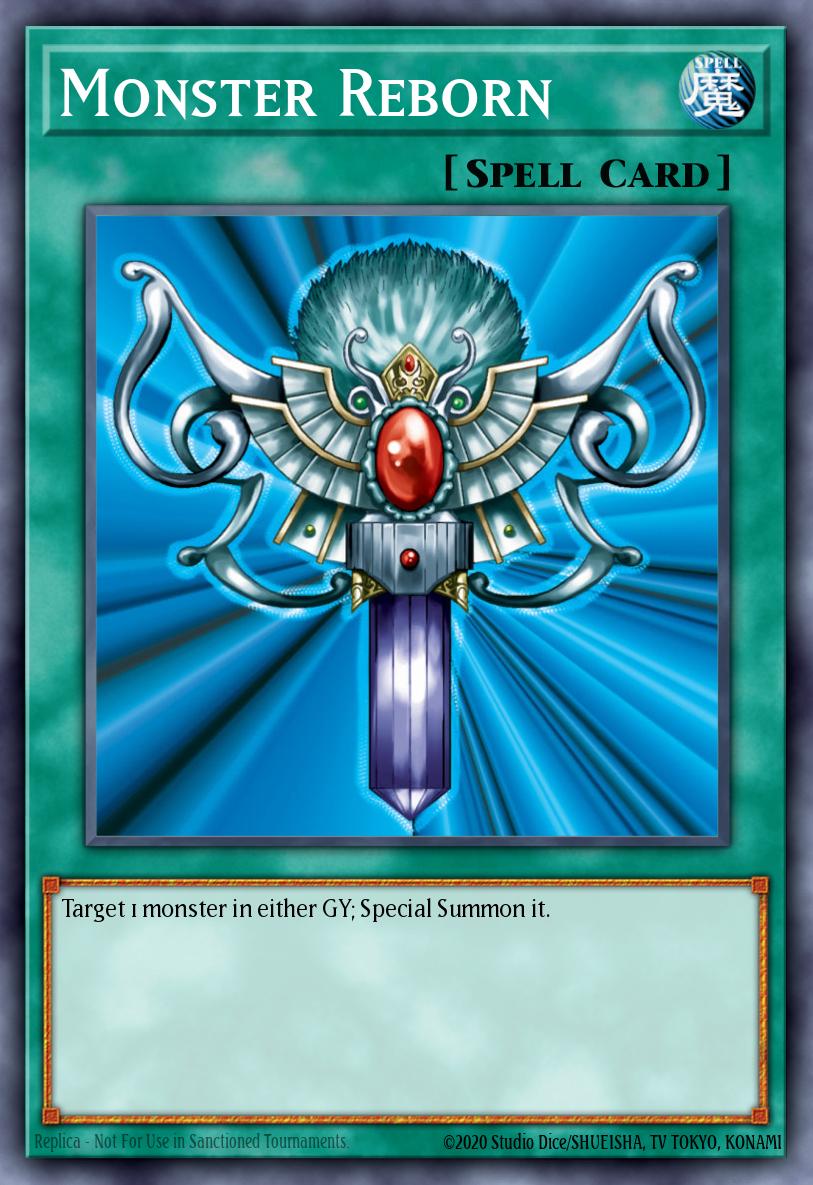
In a hand of five, mark the cards that can start your line by themselves. A monster that needs a specific Spell is one part of a combination. An extender needs a play already underway. For example, Monster Reborn needs setup when both Graveyards are empty. Once a legal target reaches a Graveyard, it may get the turn moving again.
3. Calculate a baseline for five-card hands
With nine independent starters in a 40-card list, an unordered five-card hand has about a 74.2% chance of at least one. Subtract the chance that all five are from the other 31 cards from one. This assumes a uniform shuffle, no replacement and nine cards that truly start alone. Compare equal hand sizes and log the going-second draw separately. Short samples can differ from the estimate.
4. Find another line after the first one stops
Note the first Chain where your plan depends on an effect. Replay the matchup and assume that effect fails, then look for the earliest legal branch. Separate the Solo opponent’s actual move from the interruption you are modeling. Check the next draw for another starter or a way to reuse a resource.
5. Change one slot and compare ten fresh hands
Draw ten hands with the saved list and ten after a single change. Reshuffle the full deck and draw five each time in a manual sample. Log going first and second separately, count both pieces of two-card lines and keep the failed hands. Removal may help going second without starting a line alone. Track playable hands and hands that survive interruption separately, and use Solo to see how effects actually resolve.