
1. Read the entry and promotion rewards separately
When KONAMI introduced Master, entering Diamond V paid 250 Gems and later Diamond promotions paid 150 each. Master V paid 300, with 200 per subsequent Master promotion. Check the client’s active values and sum only the milestones ahead of your starting tier.
2. Add up the route from Diamond II
In that schedule, Diamond II to Diamond I earns 150 and entering Master V adds 300. Two more promotions to Master III add 200 each, for 850 across the route. If you start at Master II, the last promotion to Master I is worth 200 in the same example.
| Example route | Reward sum | Total |
|---|---|---|
| Diamond II → Master V | 150 + 300 | 450 Gems |
| Diamond II → Master III | 150 + 300 + 200 + 200 | 850 Gems |
| Master II → Master I | 200 | 200 Gems |
3. Check eligibility for Rating Duels
Rating Duel was announced as another competitive queue for players who reached Master I. Check the current eligibility, scoring and schedule in the client. For a Gem purchase, budget the Master I promotion first and look at the Rating Duel screen for any rewards in that season.
4. Practice one way to close the duel
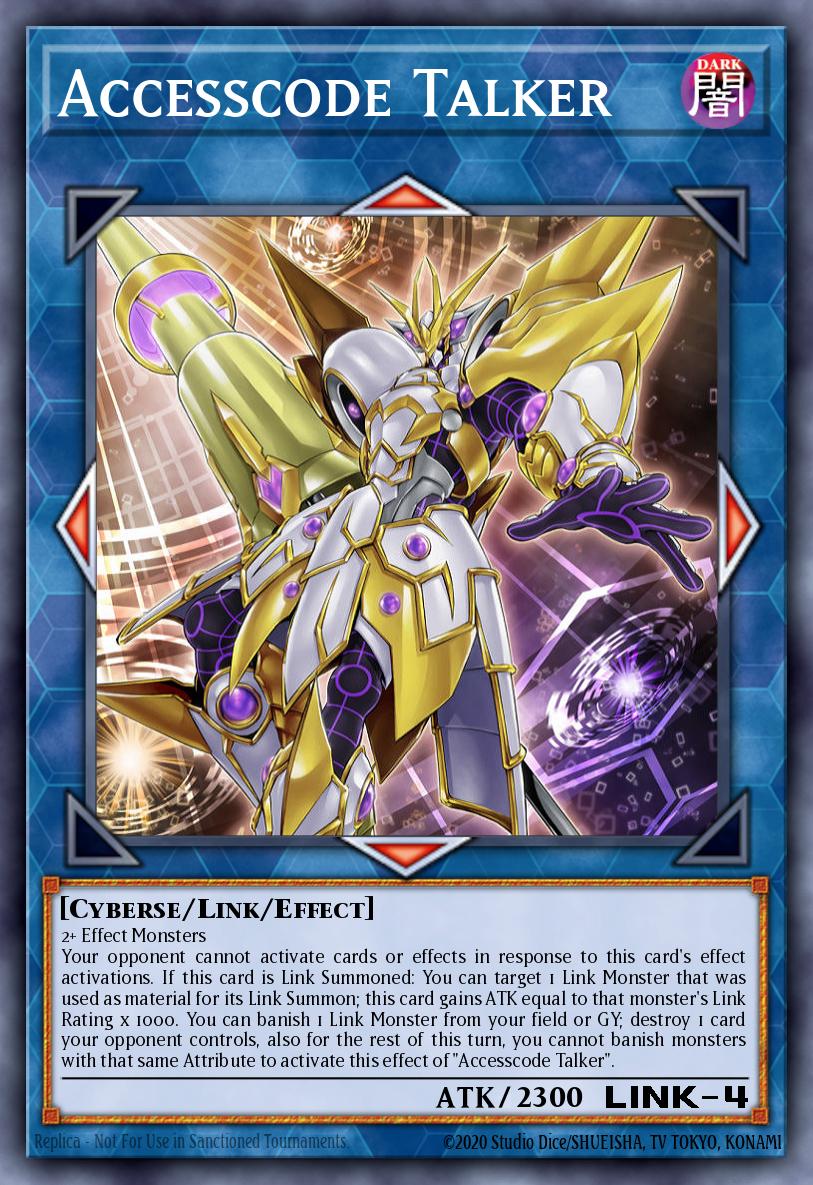
Pick a replay where the deck opened well and failed to finish. If you close games with Accesscode Talker, check which Link material sets its ATK gain, which Attributes are available for removal and what remains if the attack falls short. Play that line again before swapping several slots.
5. Match the qualifier rule to the right season
The KONAMI WCS 2026 qualifier notice gave Master finishers in the specified season a Stage 1 start at DLv. 12. Check the Ranked deadline and the qualifier’s season, seeding rules and claim window for your event. If you reach the target late, save your list and credited reward, then budget from the new tier assigned next season.