

1. DSOD World overview
The Dark Side of Dimensions (DSOD) is a Speed Duel world in Yu-Gi-Oh! Duel Links inspired by the 2016 film. Its story explores what happens after Pharaoh Atem leaves: Yugi Muto, Seto Kaiba and their friends must decide how to move forward. Duel Links brings that cast back as playable Duelists, each with separate levels, Skills and unlock conditions. The world is related to the original Duel Monsters story, but it has its own progression.
Even if you already trained Kaiba in the original Duel Monsters World, DSOD is worth exploring because its characters and Stage Missions are separate. Alongside familiar faces, Aigami and Sera add new Deck themes. Before following a Skill guide, check the selected world in the character menu and open that particular version's Skill and reward lists; names shared across worlds do not guarantee identical conditions.
Blue-Eyes, Magician Girls and Cubic offer three different starting points. Blue-Eyes asks how you will turn big Dragons into a playable hand. Magician Girls reward planning around a battle trigger. Cubic rewards knowing which cards belong in the Graveyard and which names you need to keep in hand.
| At a glance | DSOD World |
|---|---|
| Source story | Yu-Gi-Oh! The Dark Side of Dimensions |
| Duel Links release | 26 September 2019 |
| Regular format | Speed Duel |
| Character directory | Nine DSOD profiles on the Konami series page |
| First route | Open the DSOD World Unlock Mission in DM and obtain Seto Kaiba (DSOD) |
2. From the 2016 film to the 2019 update
The film opened in Japan on 23 April 2016, in the year of the original manga’s twentieth anniversary. Satoshi Kuwabara directed it, and Kazuki Takahashi is credited for the original story, screenplay, character design and executive production. The film’s new designs make the passage of time visible in the returning cast, especially the Kaiba brothers and Yugi’s school friends.
Konami brought the world to Duel Links on 26 September 2019 and announced the film versions of Seto and Mokuba Kaiba for that update. The launch campaign included alternate Dark Magician art, tickets and other login gifts. Konami’s news archive also dates the Dark Dimension BOX to that day, making it a useful reference for the release era’s Magician Girl cards.
The history explains why old guides can disagree about how a player first obtained a card. Konami distributed Blue-Eyes Alternative White Dragon as part of a timed fourth-anniversary campaign in 2021. In 2023 its Legendary Decks lists gave Kaiba, Yugi, Aigami and other DSOD characters different card and Skill options for a specific event format. For a purchase today, start with the card’s current “How to Obtain” entry.
| Date | Milestone |
|---|---|
| 23 Apr 2016 | Japanese theatrical release |
| 26 Sep 2019 | DSOD world and Dark Dimension BOX in Duel Links |
| 12 Jan 2021 | Fourth-anniversary login campaign starts with Blue-Eyes cards |
| 2023 | Konami publishes character-specific lists for WCS2023 Legendary Decks |
3. The story after Atem leaves
The film follows the end of the original manga. Yugi has already faced Atem in the ceremonial duel and sent him on to the afterlife. His friends are looking ahead to graduation. Kaiba is still pursuing a rematch with Atem, and his search for the Millennium Puzzle draws the past back into Yugi’s life.
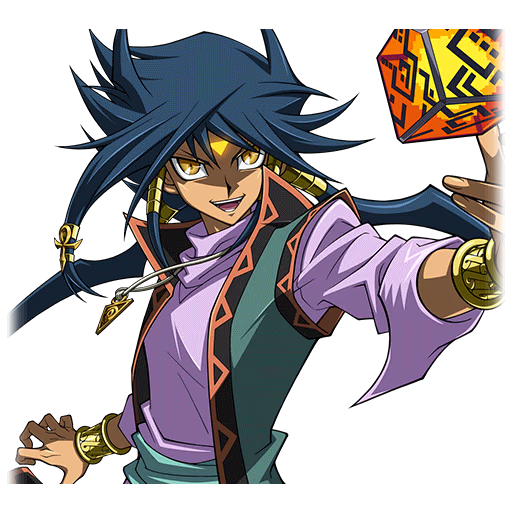
Aigami, also called Diva, leads the Plana and wants to prevent the Pharaoh’s return. Konami’s character profiles explain why both Yugi and Kaiba stand in his way, and why his sister Sera watches Kaiba’s work. Bakura carries a separate connection to the past through the Millennium Ring. That gives the group’s reunion a personal stake beyond the duel between the two best-known rivals.
The game gives Kaiba’s ambition a role inside its own setting. In Konami’s DSOD profile, Kaiba builds Duel Links in pursuit of that rematch, with Mokuba helping develop the system. That premise makes the new world feel like a continuation of the brothers’ story. In the film, the dimensional battles serve the plot. In regular DSOD World duels, the client runs Speed Duel rules and the effects it lists for each card and Skill.
4. How to unlock DSOD and find the right duel
The archived September 2019 in-game notice identifies Stage 7 in Duel World (DM) as the original threshold. Open the world selector before checking Missions, since an account can have a different Stage in each world. The character level is displayed separately.
Use the target label in the mission panel to confirm the correct Yami Yugi encounter. This is a dedicated encounter that appears in DM. If you are looking at a familiar opponent in the Gate, return to the DM hub and find the encounter named by the mission. The reward unlocks DSOD together with the film version of Seto Kaiba and his Deck.
Once you enter DSOD, read its first group of Stage Missions and the unlock panel before visiting the Shop. Mokuba was part of the launch update and the original notice directed players to raise DSOD’s Stage for additional characters. If a returning account already owns the world, start with the next character or Skill in its DSOD panel.
- Check Duel World (DM) and its Stage progress.
- Open the DSOD World Unlock Mission and win its designated duel against Yami Yugi.
- Claim the reward, switch to DSOD and select the movie version of Seto Kaiba.
5. Stage, Character Level, Gate and the daily loop
A Stage advances when you complete its missions and claim the required rewards. Character Level advances with experience for the Duelist you are using. The Gate lets you challenge available Legendary Duelists and shows the Gate Keys required for a selected opponent and level. A Legendary Duelist can appear as an opponent before you finish the missions needed to play as that character.
Read several missions together before picking a Deck. Suppose one objective asks for wins in DSOD and another tracks Normal Summons. A Deck with usable Level 4 or lower monsters can make progress on both while you level the selected character. An objective that names a specific Duelist or opponent level needs that matchup, so check the Gate listing before spending keys.
Use Standard Duelists to try an opening sequence or finish general objectives. Konami describes them as recurring encounters and Duel Orbs as a way to respawn them. Save Gate Keys for a named mission, a desired drop, or a matchup you want to repeat. After a test duel, check the counter once. If it stayed put, inspect the exact world, target, character and action in the mission wording.
| Where to look | What changes | What to do next |
|---|---|---|
| Stage Missions | DSOD’s world progress | Group compatible objectives and claim rewards |
| Character Level | One profile’s experience and level rewards | Select the profile before playing |
| Gate | Access to a named opponent and their drop pool | Check opponent, level and required keys |
| Character Unlock | Ability to play as that Duelist | Complete the conditions shown and claim the character |
6. All nine DSOD characters and what to try with each
Konami’s DSOD directory lists Seto Kaiba, Mokuba Kaiba, Yugi Muto, Joey Wheeler, Téa Gardner, Aigami, Sera, Scud and Bakura. Film roles help explain why they are here. In the Deck Editor, the profile and Skill text tell you what each version can do. A DM character and the DSOD character of the same name have distinct level tracks and Skill lists.
For the Deck themes below, Konami’s historical Legendary Decks lists provide concrete card associations. Yugi’s examples include Dark Magician, Téa’s include several Magician Girls, and both Aigami and Sera have Cubic entries. Use the table to choose a practice goal, then open the chosen character’s card and Skill screens to see what you can assemble on your account.
| Character | Role or Deck connection | First exercise |
|---|---|---|
| Seto Kaiba | Pursues a rematch with Atem. His historical list features Blue-Eyes. | Test which hands can turn a Dragon into pressure or targeted removal. |
| Mokuba Kaiba | Helps build Duel Links. His historical list also features Dragons. | Open both brothers’ Skill lists and compare the requirements for the same Dragon hand. |
| Yugi Muto | Duels in his own right after Atem. Dark Magician is one of his listed cards. | Find a Spellcaster you can play immediately and one you can bring back from the Graveyard. |
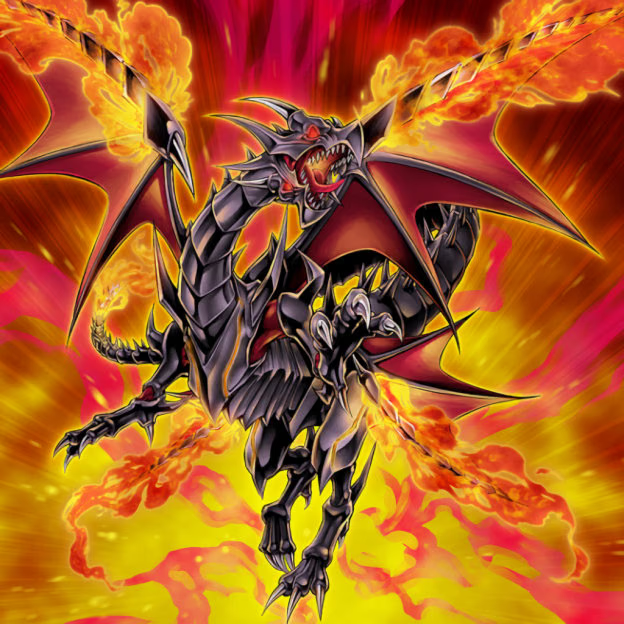
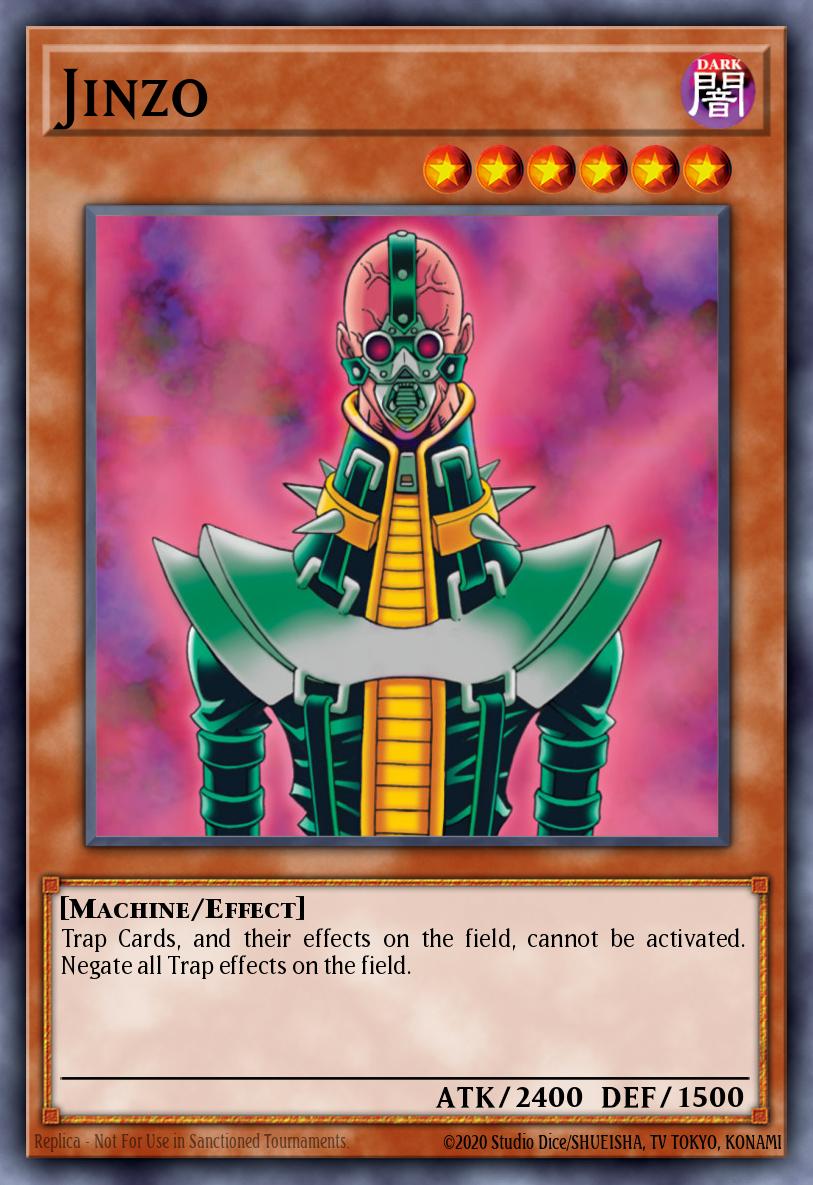
| Joey Wheeler | Yugi’s friend and an aspiring pro. His list features Red-Eyes and Jinzo. | Work out what you can still summon on a turn you use Red-Eyes Fusion. |
| Téa Gardner | Yugi’s longtime friend. Konami lists Magician Girls for this version. | Compare Apple’s summons from hand with Chocolate’s summons from the Graveyard. |
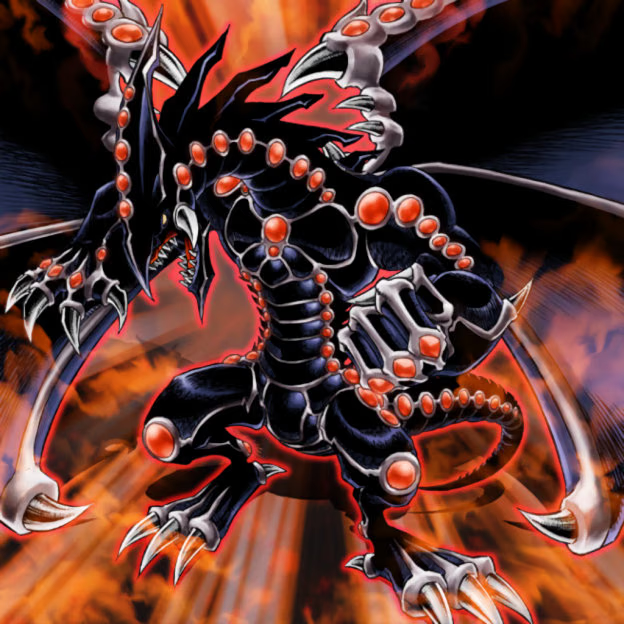
| Aigami | Diva, leader of the Plana. His historical list features Cubic. | Turn a Duza summon into a Graveyard setup and plan the next summon. |
| Sera | Plana member who watches Kaiba’s project. Konami lists Cubic options for her too. | Check which parts of a Cubic Deck still work when you change the selected Skill. |
| Scud | A Domino High student tied to Aigami’s introduction. | Read the unlock panel and use an affordable Deck for early levels. |
| Bakura | Connected to the Millennium Ring. His historical list includes Necrofear and Zoma. | Compare a Fiend you can play early with a payoff that needs Graveyard setup. |
7. Speed Duel rules that change how you play
In standard Duel Links Speed Duels, each player starts with 4,000 LP and four cards. A Main Deck has 20–30 cards. The field has three Main Monster Zones and three Spell & Trap Zones on each side, with Extra Monster Zones used according to the summoning rules. After the Battle Phase the turn goes to the End Phase, so make room and set your defenses before declaring attacks.
Space becomes a resource. A board with three occupied Main Monster Zones needs a legal way to free a zone before Chocolate Magician Girl can revive a monster there. Vijam needs an available Spell & Trap Zone to move itself there with its battle effect. Before you set a third back-row card, ask what your next play will need to occupy.
Check the entire Skill description alongside the Deck, including eligible cards, copy counts, timing and any summoning restrictions. Test the opening with the chosen character and Skill active. With 4,000 starting LP, a 3,000 ATK direct hit and a second direct hit for 1,000 finish a full starting total. Before spending an effect to remove a blocker, count whether the same play gives up one of those attacks.
8. When should Kaiba remove a monster or attack with Blue-Eyes?
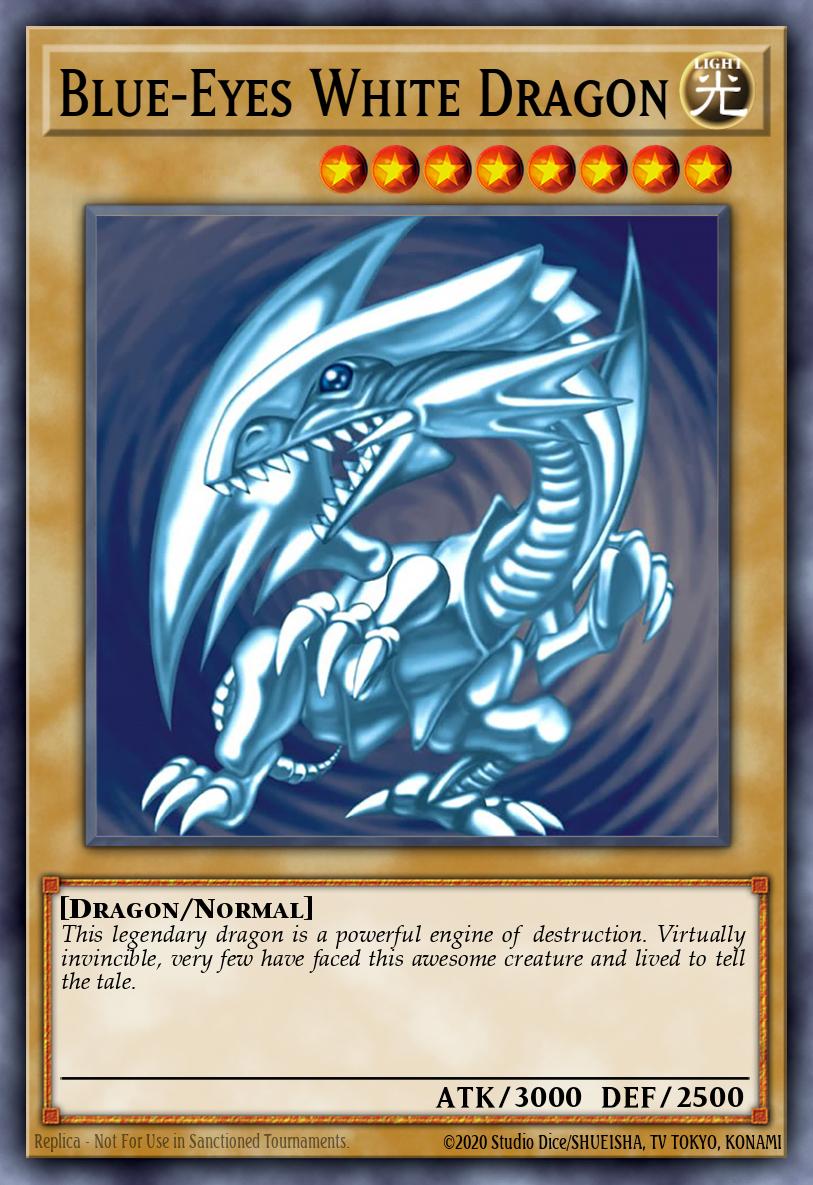
A useful starting hand is Blue-Eyes White Dragon, Blue-Eyes Alternative White Dragon and two cards that can be used independently. Reveal the original Blue-Eyes in your hand to Special Summon Alternative by its own procedure, once per turn this way. The revealed card stays in hand. Alternative takes the name Blue-Eyes White Dragon on the field and in the Graveyard, which matters for effects that check that name in those locations.

Picture an opposing Attack Position monster with 2,500 ATK, no protection, and a clear back row. Alternative can attack over it for 500 battle damage. Using Alternative’s effect can destroy the same target before combat, at the cost of Alternative’s attack for the entire turn. That can still be the stronger line if a second monster can hit directly for more damage, or if the target has higher ATK and is vulnerable to destruction.
Compare that hand with Alternative, a high-Level Dragon with a different name and two reactive cards. You now need a route to the original Blue-Eyes or a different starter. Track the cards that actually turn on each opening, including your available Skill. When you lose a test duel, write down whether the hand lacked a first action, the first action got stopped, or you used the removal effect when you needed an attack.
| Board state | Line to evaluate |
|---|---|
| One 2,500 ATK monster, clear back row | Attack for 500 damage and keep the removal option for a later turn. |
| Larger monster you can target and destroy | Use the effect and count the damage your other attackers can still deal. |
| Target protection or suspected interruption | Check what can be targeted and whether you can afford to commit another Dragon. |
9. Yugi, Téa and the Magician Girls battle trigger
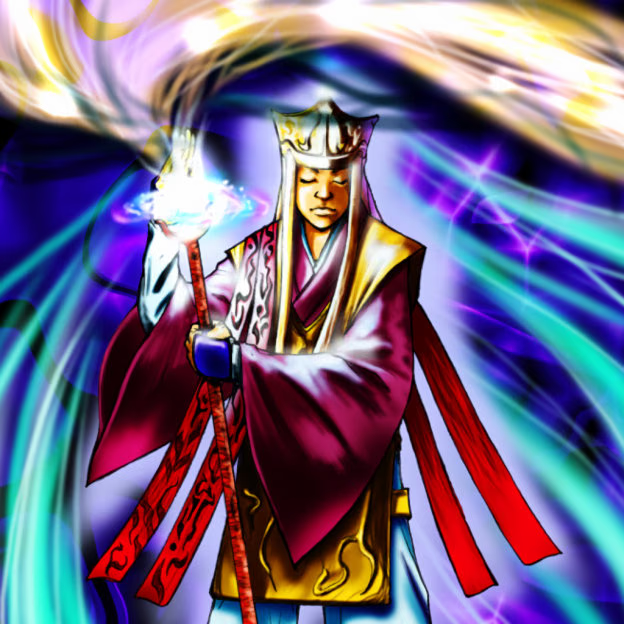
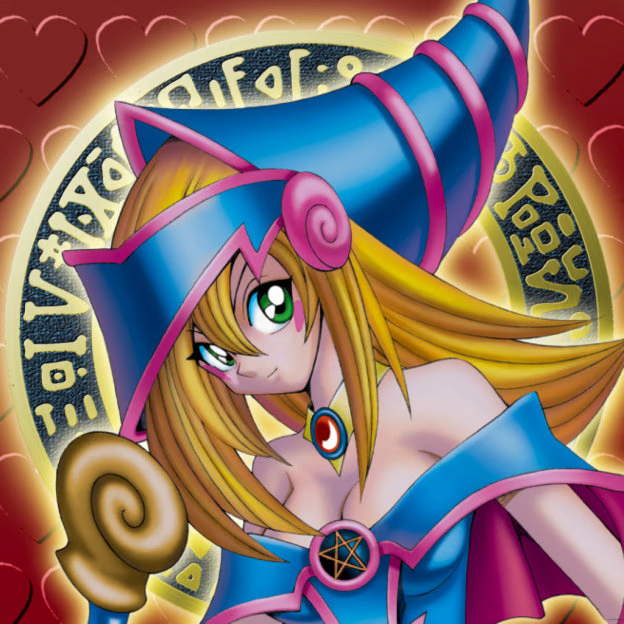
The film’s Spellcaster themes give Yugi and Téa more than one way to build. Konami’s DSOD Legendary Deck pages associate Yugi with Dark Magician and list Magician Girls for Téa. In the Dark Dimension BOX, Chocolate and Apple teach a common timing lesson with different resources. Chocolate looks to your Graveyard when attacked. Apple needs an eligible Spellcaster in hand.
Normal Summon Chocolate Magician Girl, discard Dark Magician to activate her draw effect, then draw one card when it resolves. Suppose an opponent later attacks Chocolate with a 2,400 ATK monster. With room on your field and the effect able to resolve, Chocolate can Special Summon Dark Magician from your Graveyard, redirect the attack to it and halve the attacker’s current ATK to 1,200. With Dark Magician in Attack Position at 2,500 ATK, the attacking player takes 1,300 battle damage in this example.
Apple Magician Girl can Special Summon a Level 5 or lower Spellcaster from your hand when targeted for an attack. A Level 4 Chocolate is eligible. A Level 7 Dark Magician is useful as Chocolate’s Graveyard target. Read both cards before discarding your only low-Level Spellcaster. The choice can decide which response will be live when the opponent enters the Battle Phase.

An opponent can spend removal in the Main Phase or decline to attack Chocolate. Build at least one useful line around your draw or an available interaction so the turn has value either way. In a replay, pause before the opponent’s Battle Phase and check for a valid Graveyard target, a free zone and a way to follow up if Chocolate leaves the field.
10. Aigami, Sera and the Cubic resource engine
Cubic connects Aigami’s duels to his role as the leader of the Plana. Konami’s WCS2023 material lists Cubic Seeds and Dimension Summon for him, and records a different set of Skills for Sera. Begin with the cards that make the first turn work. A Cubic payoff can demand several distinct names in hand or resources already on the field, so the route to the payoff deserves its own Deck slots.
A compact line starts by Normal Summoning Duza the Meteor Cubic Vessel. On summon, send Cubic Karma from the Deck to the Graveyard. Banish Karma from the Graveyard to search a Cubic monster. If your hand already has a payoff, search a missing name or a playable follow-up. If the summon effect is stopped, the line ends with Duza on the field, so plan what your next draw or back row can still do.

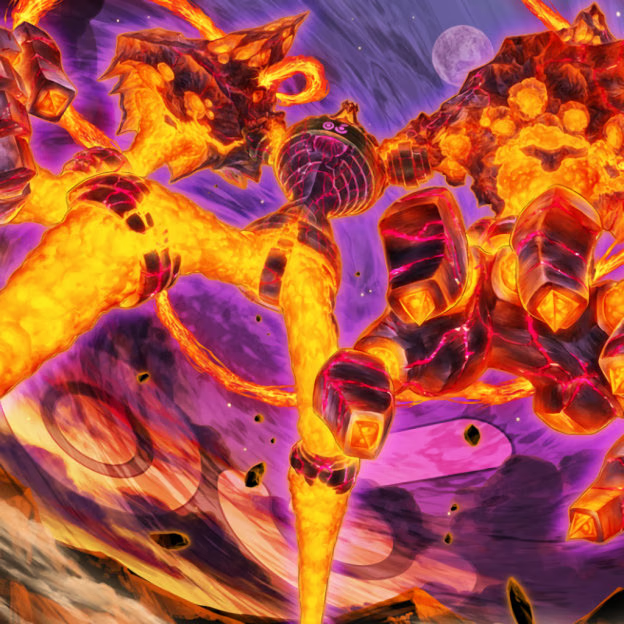
Vijam the Cubic Seed survives battle. After it battles an opposing monster, it can move to your Spell & Trap Zone and place a Cubic Counter on that monster. The counter prevents the monster from attacking and negates its effects. Reserve an open back-row slot and check whether you can afford any battle damage. If Vijam is treated as a Continuous Spell by that effect, it can return to the monster field during your Main Phase when there is space.
For Crimson Nova the Dark Cubic Lord, count three other differently named Cubic cards in hand before committing a Normal Summon or sending away a needed name. A hand with Nova and three valid names can use its own summon procedure. A hand with Nova, two copies of the same name and one other name needs another distinct name first. Check the active Skill’s exact Deck restrictions and how it provides cards before adding any off-theme interaction.
11. Compare opening hands before committing to a Deck
Choose a starter definition before counting. Here it means a card you can use on its own to produce a useful first action under your chosen Skill. Put conditional cards in their own column. Alternative needs the original Blue-Eyes in hand to summon itself by its own effect text, so record them as a two-card combination.
For a simple example, six independent starters in a 20-card Deck give about a 79.3% chance of seeing at least one in a four-card opener. The same six in 24 cards give about 71.2%. The calculation subtracts the probability of drawing four non-starters from 100%. It assumes a uniformly shuffled Deck and no Skill changing its contents or the opening hand. It measures access to one first action, while two-card combinations need a separate count.
Draw ten hands with the Deck you can actually use. Mark which one has a legal first action, which can continue after it is stopped and which leaves something for turn three. Replay two awkward hands going second and note what kind of board made them fail. Change one group of cards at a time so you can see whether a searcher, a reactive card or a recovery slot fixed the issue.
| Deck | What to record going first | What to test going second |
|---|---|---|
| Blue-Eyes | A legal summon line and a follow-up if the Dragon leaves. | Can I clear one blocker and keep an attacker? |
| Magician Girls | A Spellcaster I can play and an eligible target in hand or Graveyard. | What can I do if the opponent can remove my Normal Summon? |
| Cubic | A way to put the right card in the Graveyard or collect distinct names. | Can I find the missing name after committing a card to the board? |
12. Spend Gems, tickets and Gate Keys on a real bottleneck
Make a short shopping list after the opening-hand test. For each missing card, record the role, the number you own, the number you need and the source shown in the client. Start with cards that unblock a specific line. For example, a Blue-Eyes hand that repeatedly lacks an eligible reveal target benefits from finding the original Blue-Eyes more reliably. Another high-Level Dragon needs to solve a separate problem to justify its slot.
Check Character Level rewards and Gate drops first when the card’s “How to Obtain” panel points there. Inspect a Ticket’s selectable cards and expiration date before redeeming it. A Dream Ticket has its own list. For BOX and Structure Deck options, compare the remaining contents, how many copies you need and the terms shown in the Shop. An old campaign page is a record of what was offered at the time.
Consider an Aigami player who owns Duza but is missing the card that converts the Graveyard setup into a search. Look up Cubic Karma’s acquisition in the client and check the appropriate character rewards before opening packs. Stop after obtaining the missing piece and rerun the same test hands. If the hand now gets to the right monster but still loses to interruption, your next purchase has a different job.
| Resource | Check before you spend |
|---|---|
| Gate Keys | Correct opponent, level, drop pool and cost per challenge |
| Ticket | Exact card name, eligibility, available copies and expiration |
| Gems | Missing Deck role, BOX/Structure Deck contents and likely number of copies needed |
13. A seven-day route through DSOD
Treat each day as one short practice session. If you have already opened DSOD, start by locating a character reward or a Skill that matters to one Deck. Write down the objective before you duel. The first week should leave you with a repeatable opening and a clearer plan for your next card, whatever your starting collection looks like.
Keep a small record with the world, character, Skill, opening hand and first move. Use one line to describe what the opponent stopped and one line to describe the first legal alternative you found. At the end of the week, revisit the two hands you lost with most often. A small change that makes both hands playable is easier to verify than a complete rebuild.
| Session | What to do | Evidence to keep |
|---|---|---|
| Day 1 | Open DSOD or check the existing world, then select the DSOD Kaiba profile. | Which mission you completed or which one comes next. |
| Day 2 | Clear two compatible objectives with Standard Duelists and inspect one Gate target. | Mission counters before and after the same duel. |
| Day 3 | Build one route with cards you own and read the selected Skill in full. | Three cards or effects with a defined job on turn one. |
| Day 4 | Play out ten openers and choose the two hands that most often stall. | Counts for first actions and follow-ups, plus the missing pieces. |
| Day 5 | Replay the chosen line against one interruption and once going second. | The point where you can still make a different play. |
| Day 6 | Check the in-game source for one card that solves the same failure in multiple hands. | A target, an acquisition route and a spending limit. |
| Day 7 | Swap one group of cards and repeat the Day 4 hands. | Which openings improved and what to work on next. |
14. Frequently asked questions
Most returning-player questions come down to what is attached to the account, the world or one character. Use the world selector to check where a mission applies, the character page for Skill and level rewards, and the card screen for artwork, copies and acquisition. This makes older screenshots and guides easier to read.
| Question | Answer |
|---|---|
| I already leveled Kaiba in DM. Where do I find his DSOD Skills? | Switch to DSOD and open Seto Kaiba’s character page there. The DSOD profile has its own levels and Skill entries. |
| Why am I missing the duel that opens DSOD? | Check the Stage in DM and look in Missions for the world unlock. The original launch route uses a special Yami Yugi encounter in DM, followed by claiming the reward. |
| Do I have to unlock all nine before building a Deck? | You can start with the cards you already own and a playable Duelist. Unlock the character you need when your intended Skill or reward belongs to their profile. |
| Where are the movie’s special Dimension Duels? | The movie uses its own duel scenes. Look for event-specific rules in the event panel when available. Ordinary DSOD World duels use Speed Duel. |
| Can I play Blue-Eyes on another character? | Cards in your Speed Duel collection can be used in legal Decks across characters. Check the active Skill and the in-game Forbidden & Limited list for the selected Deck. |
| Does a movie-art card count as another named card? | Check the printed name. An alternate artwork of Blue-Eyes White Dragon still has that name. Blue-Eyes Alternative White Dragon has a different original name and its effect changes that name in specified locations. |
15. Sources for the film, unlock route and card examples
The release date and film credits come from the Japanese Film Database and Marvelous’s film listing. Konami’s September 2019 release announcement and news archive establish when the world and the Dark Dimension BOX arrived. The Stage 7 route uses an archived copy of the 2019 in-game notice. The current mission panel is the reference for the requirements shown on your account.
Konami’s character directory establishes the roster. Its introduction explains Stage Missions, Gate Keys and Duel Orbs. WCS2023 Legendary Decks is a dated source for character and card associations. The worked battle and summon examples use Konami’s card text as a reference. Use the current Duel Links card and Skill descriptions when applying the examples in a match.