





1. From Satellite to New Domino City
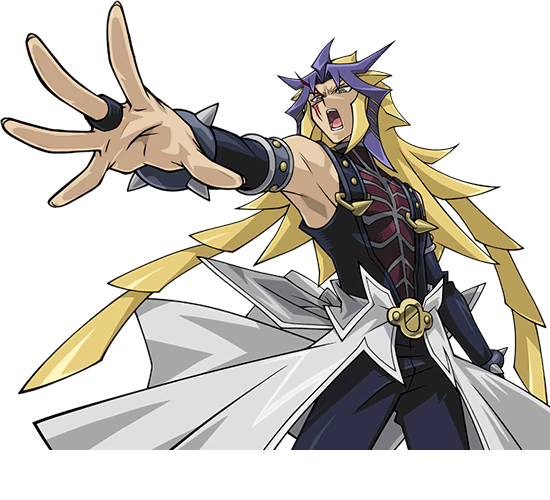
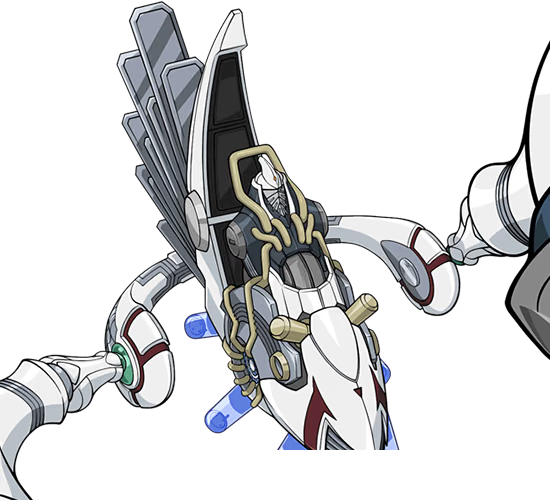
Yu-Gi-Oh! 5D's begins in a city divided between Satellite and New Domino City. Yusei Fudo builds his Duel Runner amid the hardship of Satellite, while Jack Atlas becomes a celebrated Duelist in the wealthier city. Their rivalry highlights two ways of playing: Yusei turns overlooked resources into new opportunities, while Jack concentrates his strategy around a powerful ace and a decisive attack. That contrast carries into their Duel Links Decks.
In Duel Links, 5D's uses the Speed Duel format and introduces Synchro Summoning as its signature mechanic. A Synchro Monster needs a Tuner and suitable other materials whose Levels add up correctly. That is why a Level 2 monster revived from the GY can be more useful than a powerful monster trapped in your hand. Think about the Levels and roles available on the field before choosing a summon.
2. The 2018 launch and the Synchro pool
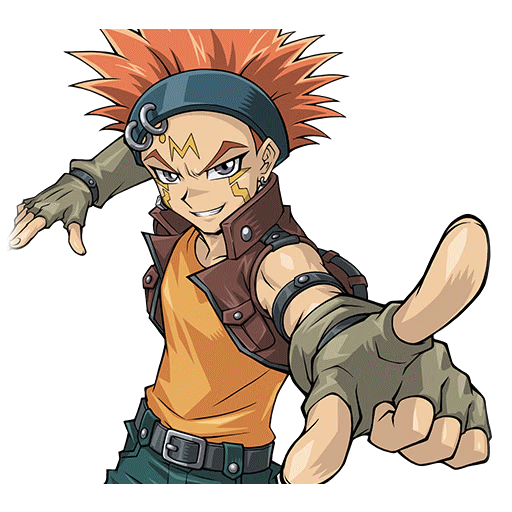
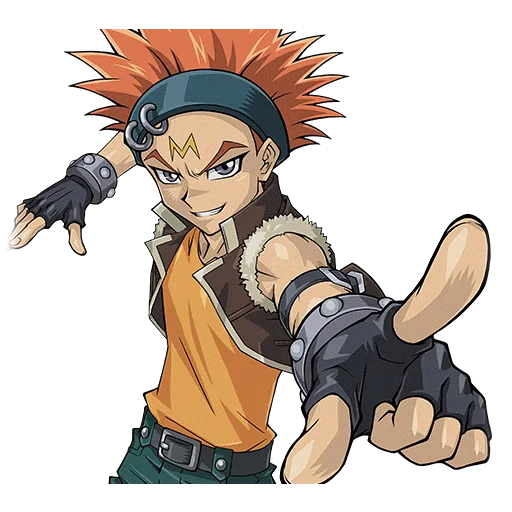
Konami set the 5D’s world release for 25 September 2018 and highlighted Yusei, Crow Hogan and Akiza Izinski in the announcement. It emphasized the characters’ voiced ace summons. The update gave players a dedicated world for discovering the Synchro era and a new purpose for the Extra Deck.

Published Deck products show how the lesson has evolved. Stardust Nexus explains a Level 3 plus Level 5 route to Stardust Dragon. Later releases offer other Stardust and Warrior targets. Use dated Box pages to establish when a card entered the game and the current client to check what your Skill and Deck can use today.
3. Signers and the people behind the aces
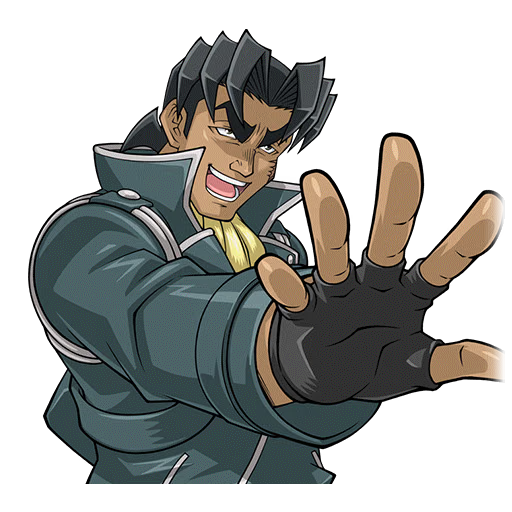
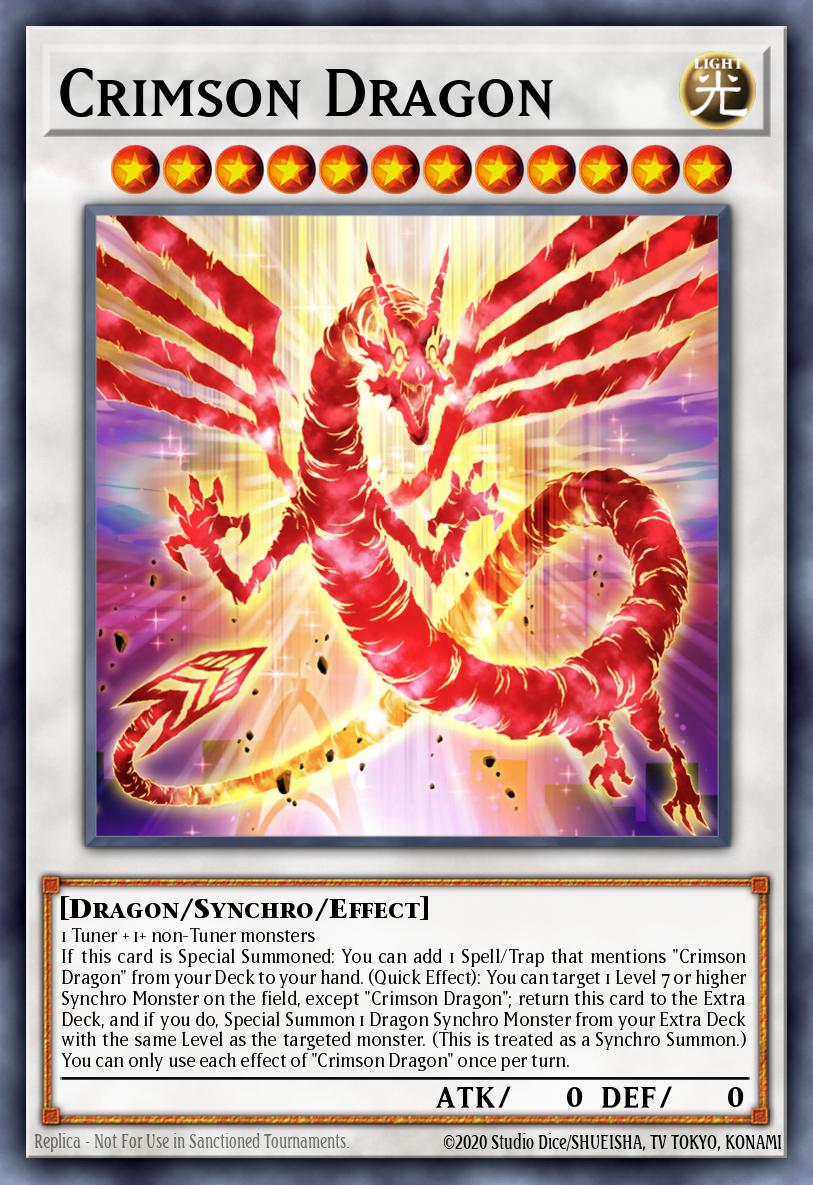
The Signers’ marks connect the cast to the Crimson Dragon. Yusei, Jack, Akiza and their allies face threats that make those bonds matter beyond a racing rivalry. Akiza’s powers and Black Rose Dragon make her duels particularly personal. Crow’s ties to Satellite and the people he protects give his relationship with Yusei a different weight from Jack’s challenge.
Turbo Duels are the series’ signature racing setting. In Duel Links, use an event’s own panel to see whether it adds Turbo Duel rules, Skills or counters. Regular 5D’s World play uses the standard Speed Duel field and the card effects shown by the client.
4. Open 5D’s and pick the right WIND monsters
The launch record places Yusei’s unlock at DM Stage 10 and records ten WIND monster summons. Look for the mission in your current client. WIND is an Attribute. A Deck can include different monster Types and still satisfy a WIND objective, so use low-Level WIND cards you can consistently summon with the collection you have.
Confirm the counter after one duel and claim the reward when ready. After entering 5D’s, open the Stage panel and select the Yusei profile. If your starter Skill adds a card to the Extra Deck, inspect which card is supplied during the duel and which cards still have to be owned and placed in the list.
5. Pick a character by the Synchro problem
A character choice determines which Skills and rewards you can inspect. Konami lists the Signers and a wider group of allies and opponents. Start with the play pattern in the table, then read the exact current Skill before building. Two Skills associated with the same ace can ask for very different Main Decks.
| Duelist | Theme | Practice |
|---|---|---|
| Yusei Fudo | Synchron and Stardust | Make a second Synchro after using the first as material. |
| Jack Atlas | Resonators and Red Dragon Archfiend | Check the Extra Deck restriction before taking a line. |
| Akiza Izinski | Plants and Black Rose Dragon | Keep something useful after the field is cleared. |
| Crow Hogan | Blackwing | Choose the Normal Summon that gives the search you need. |
| Leo and Luna | Power Tool and Ancient Fairy | Read the needed material and plan around the selected ace. |
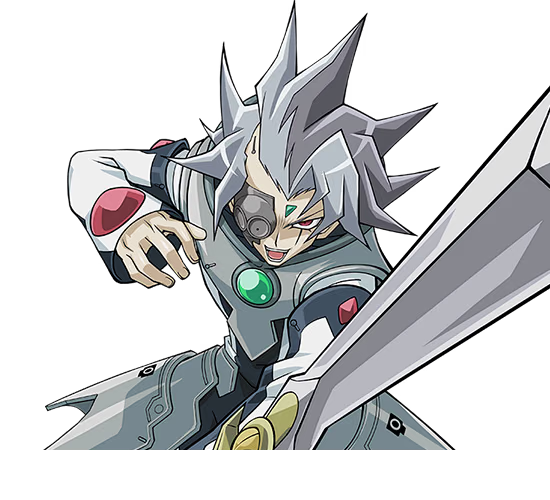
| Kalin Kessler | Infernity | Track whether the hand is empty at the right moment. |
6. Level arithmetic on the actual field
For an ordinary Synchro Summon, read the materials first, then add the Levels of the eligible face-up monsters. A Level 3 Tuner and a Level 2 non-Tuner make five. A Level 3 Tuner and two Level 2 non-Tuners make seven if the target accepts those materials and you have room to place them.
Record the current Level after any effect that changes it. An Xyz Monster’s Rank and a Link Monster’s Link Rating provide no Level for an ordinary Synchro. A Synchro Monster can become material for another Synchro when it meets the next card’s conditions. This is why choosing a Level 5 intermediate changes what you can make from a Level 3 revival.
| Bodies | Potential result |
|---|---|
| Level 3 Tuner + Level 2 non-Tuner | Level 5 with the correct material line |
| Level 3 Tuner + Level 5 non-Tuner Synchro | Level 8 such as Stardust Dragon |
| Fiend Tuner Level 2 + Level 4 non-Tuner | Level 6 such as Red Rising Dragon |
7. Junk Converter into Junk Warrior and Stardust
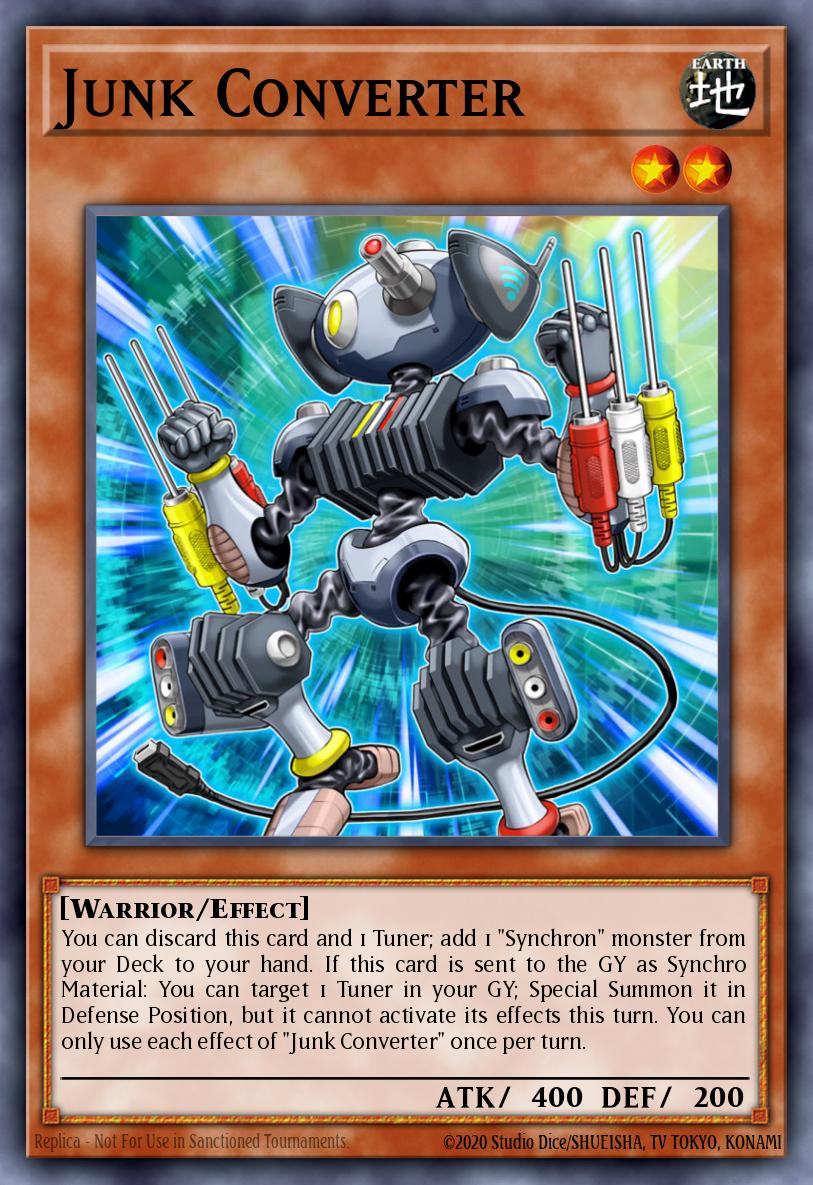
The Stardust Nexus example begins with Junk Converter and a Tuner. Discard the pair for Converter’s search and take Junk Synchron. Normal Summon Junk Synchron, target the Level 2 Converter in the Graveyard and revive it with its on-field effects negated. Use the Level 3 plus Level 2 to Synchro Summon Junk Warrior.
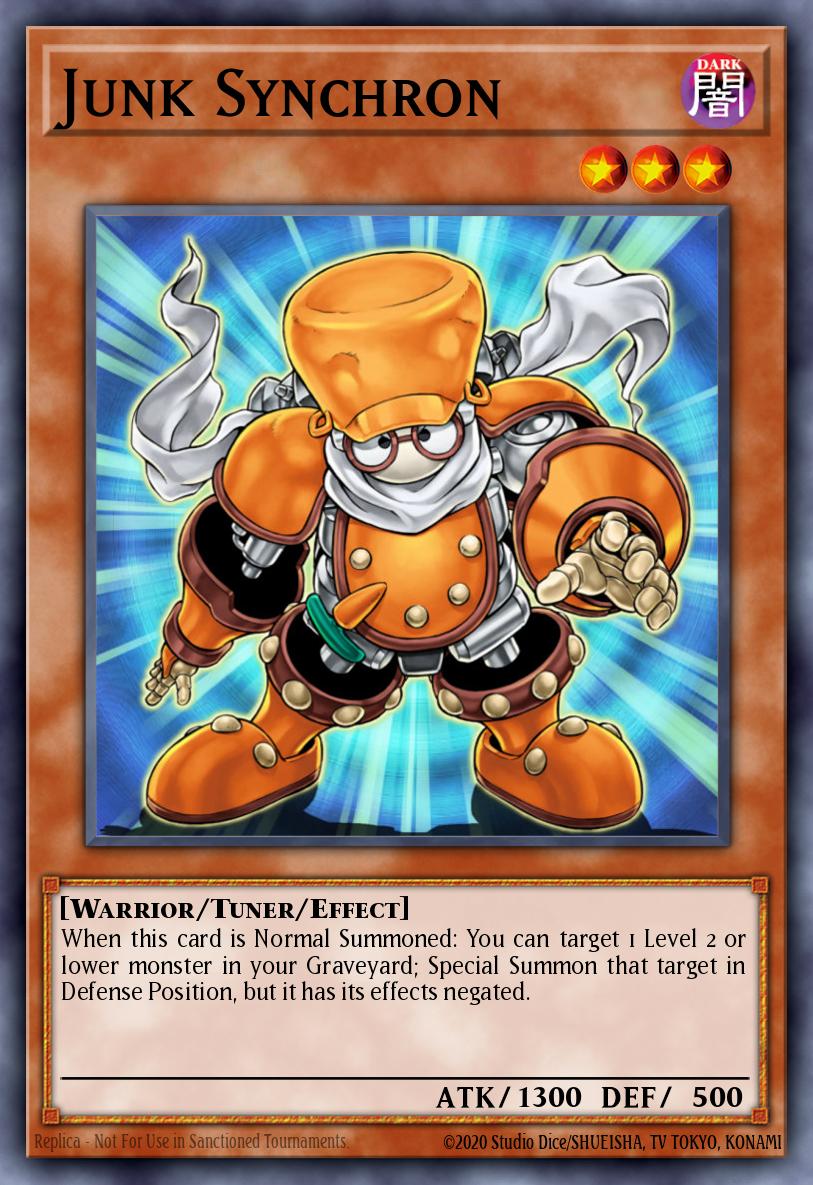
Converter can trigger in the Graveyard when used as Synchro Material. Use it to revive Junk Synchron. Now the field holds a Level 3 Tuner and Level 5 Junk Warrior, giving a route to Stardust Dragon. If the initial revival is negated, the hand needs an alternate Level 2 body or a defensive play. If the Graveyard trigger is stopped later, you still have the Level 5 Synchro.
8. What Stardust can protect
Stardust Dragon responds to an activated card or effect that would destroy one or more cards on the field. It Tributes itself, then can negate the activation and destroy that card. An effect that returns a monster to the hand or banishes it without destroying uses a different removal method, so save another answer for those actions.
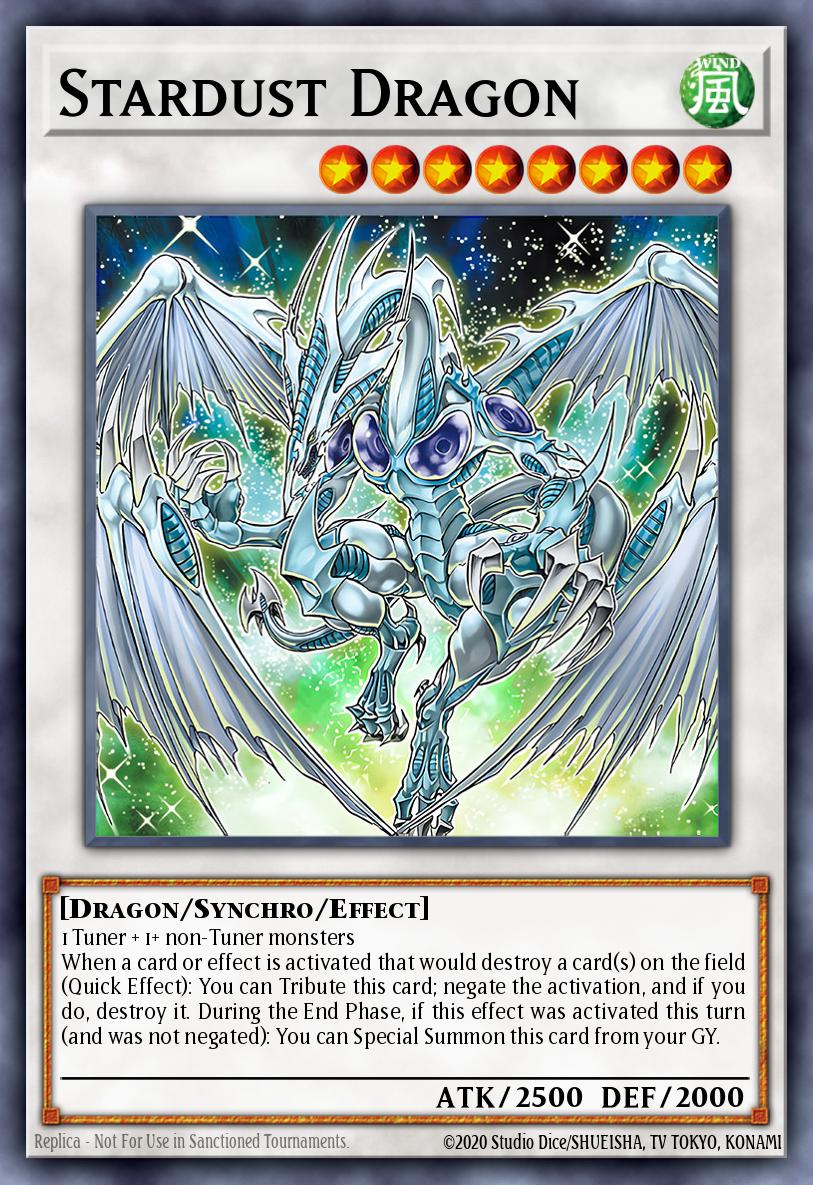
When Stardust leaves to pay its cost, the board changes immediately. Check whether the opponent can make a second attack before the End Phase. Its own return can bring it back from the Graveyard after the activation condition is met. Losing access to it in the Graveyard changes that plan, so count the next threat rather than assuming one negate ends the turn.
9. Jack’s Resonator line and its lock
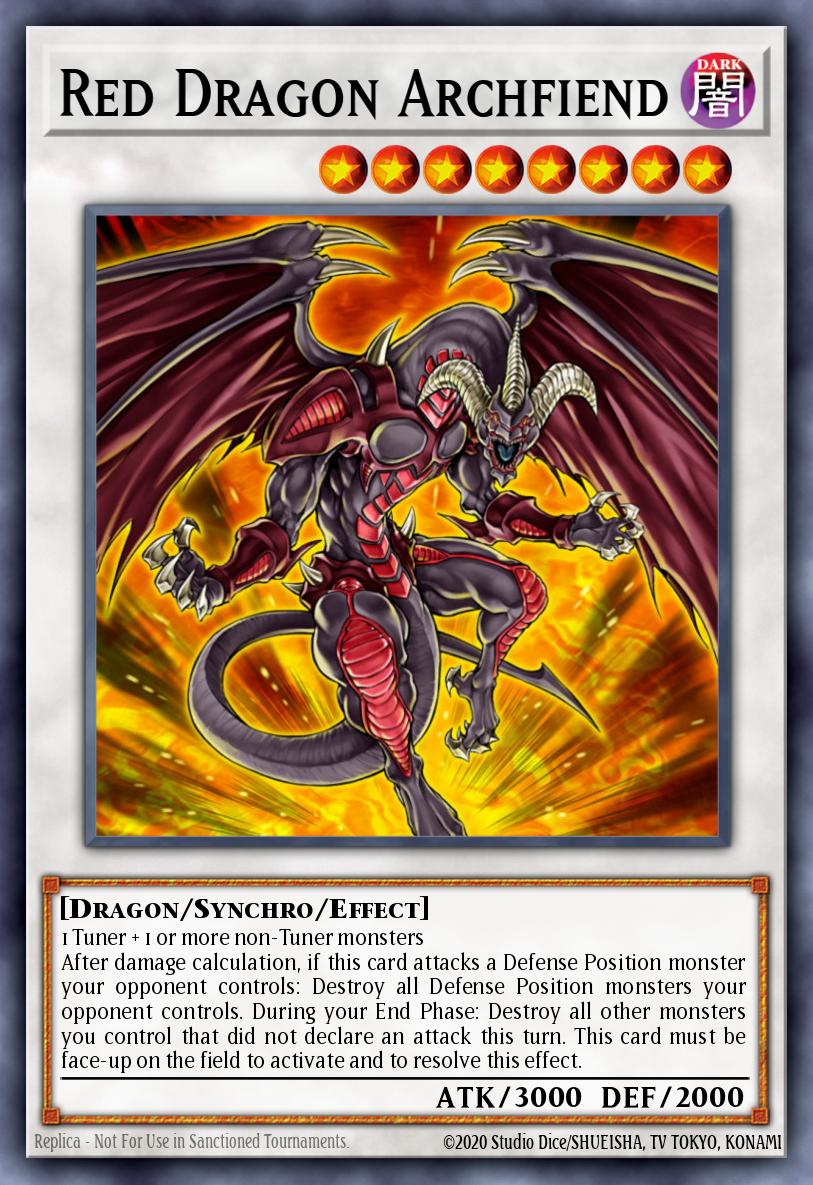
Crimson Resonator can Special Summon itself from the hand when your field has no monsters. With a Level 4 non-Tuner, it can make Red Rising Dragon, which names a Fiend Tuner. On the Synchro Summon, Red Rising can revive a Resonator from your Graveyard. The revived Level 2 plus the Level 6 Dragon can produce a Level 8 DARK Dragon Synchro such as Red Dragon Archfiend.

Read the Extra Deck restriction on each step, including what you already summoned earlier in the turn. Plan the Level 8 target before activating the revival. This line pays for offensive pressure. If the opponent leaves multiple Defense Position monsters, Red Dragon Archfiend’s effect after attacking one is relevant. At a low LP total, count whether you can survive the turn if the first attack is stopped.
10. Crow and the Black Whirlwind search
Play Black Whirlwind before the Normal Summon. For example, Blackwing - Bora the Spear has 1,700 ATK, so a successful search can find the 1,300 ATK Blackwing - Gale the Whirlwind. Gale can Special Summon itself when you control another Blackwing of a different name. The result gives a Level 3 Tuner and Level 4 non-Tuner for a Level 7 choice.

Test what happens when Whirlwind’s search or Gale’s route is interrupted. An opening with a second independent Blackwing body can play differently from a hand that needs the search to resolve. Match each extra extender to a Level total you can actually use.
11. Akiza and a field wipe you can recover from
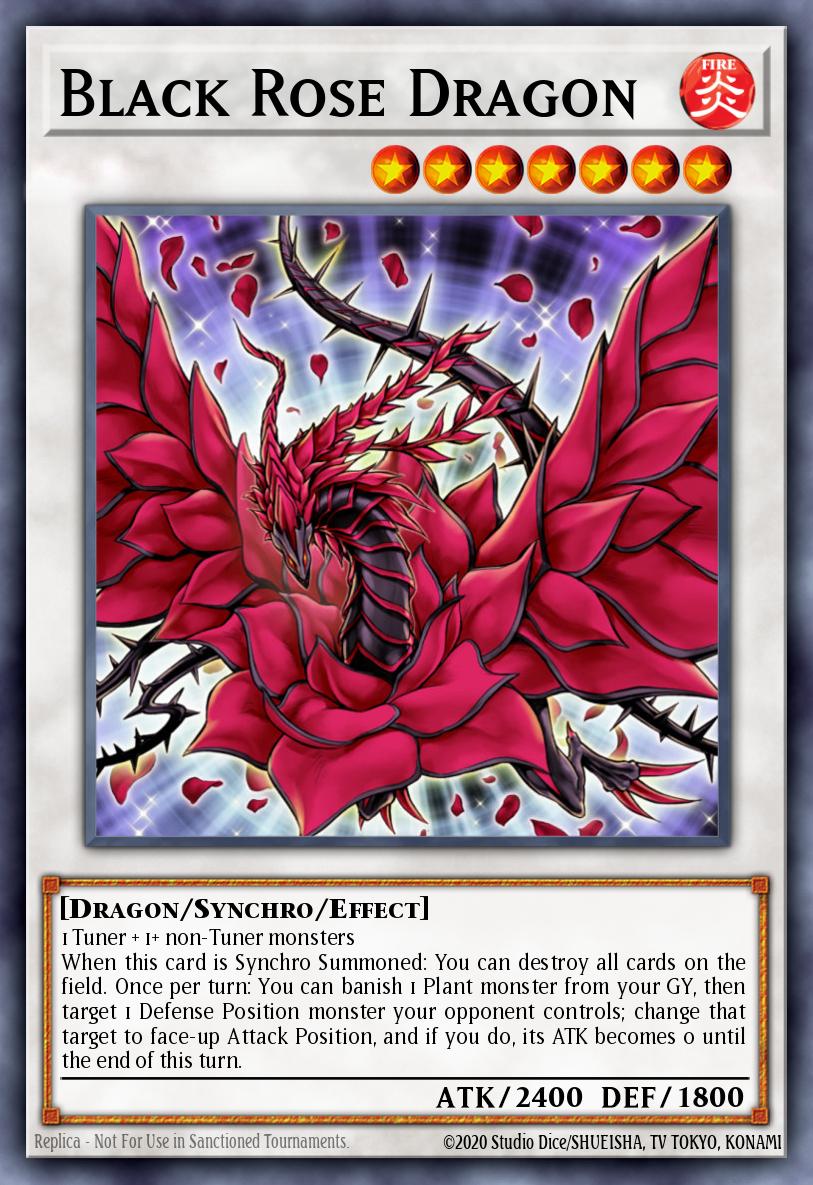
Black Rose Dragon can destroy every card on the field when Synchro Summoned. Compare the cards each player loses. If you use two monsters to produce it and destroy your own set card, you have committed three resources on your side. Clearing several opposing cards is especially valuable when you kept a follow-up in hand or have a useful Graveyard effect ready.
Run the same Level 7 summon in two states. When behind on the board, test the wipe and count your next Normal Summon. When ahead, test declining the optional effect and attacking or holding the monster. This choice depends on the threats left after your summon, including any effects that trigger when destroyed.
12. Turn Stage objectives into useful drills
An objective can name the summoning method, the world, an opponent or a number of actions in a single duel. For a Synchro count, use a Deck whose first Tuner and partner are easy to find. For an opponent-specific target, check the Gate cost and encounter level. Review the mission counter after one attempt before repeating a farming run.
Keep a short note for the hands where the Tuner appeared but had no partner. Those hands tell you more about what to add than a completed duel with perfect draws. The same check works in a Gate challenge and in a practice replay.
13. Spend Extra Deck slots on decisions
Give each Synchro slot a job. A Level 5 can be the intermediate for a Level 8. A Level 7 field wipe solves a different board from a Level 7 attacker. A second copy is valuable when your route can make it twice and you expect to lose the first. Write the required Tuner and partner levels beside each target.
Use a BOX or Ticket to fix a specific gap. If the field reaches Level 7 often and lacks a useful response, a new Level 7 can help. If the Deck often opens without a Tuner or a legal revival, solve that first. Check the active Skill, the Extra Deck slots you have opened and the current acquisition panel before spending.
14. Seven sessions on the Synchro route
Keep the first few sessions on the same Deck so you can compare failures. When you add a second theme, compare its cost and space requirements using an opening hand of the same size. Record the last legal action before you run out of material.
- Locate Yusei’s unlock or one active 5D’s Stage mission.
- Make a legal Level 5 and name its materials.
- Try the Converter line through Stardust and stop once after the first revival.
- Check three removal cards to see which Stardust can answer.
- Run one Level 7 turn with and without Black Rose’s wipe.
- Compare a Whirlwind hand with a Resonator hand for space and restrictions.
- Repeat two failed openers with one measured Deck change.
15. Sources for the world and card sequences
Konami’s September 2018 release and character directory support the series and world milestones. The launch-era Yusei mission is documented separately. The Duel Links product pages supply the Junk sequence and related availability history. Read the in-game card and Skill text for the current restrictions. The three editorial scenes use the original Yusei art as their common visual reference.