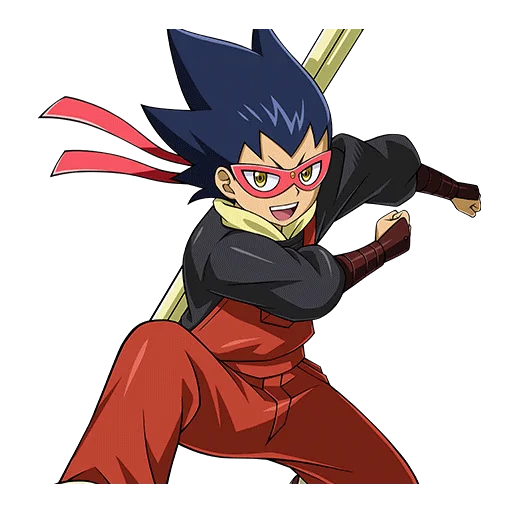
1. Yuga’s new road in Goha City
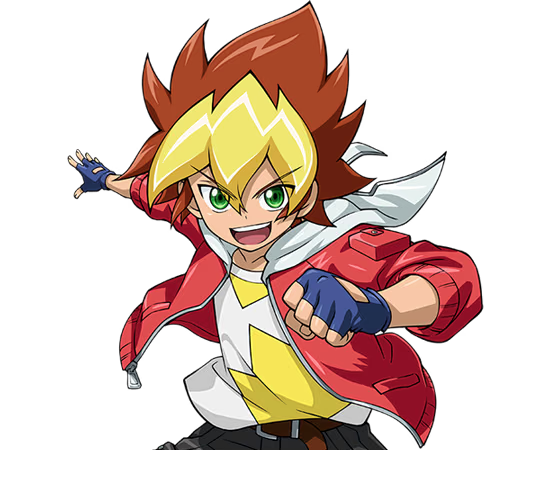
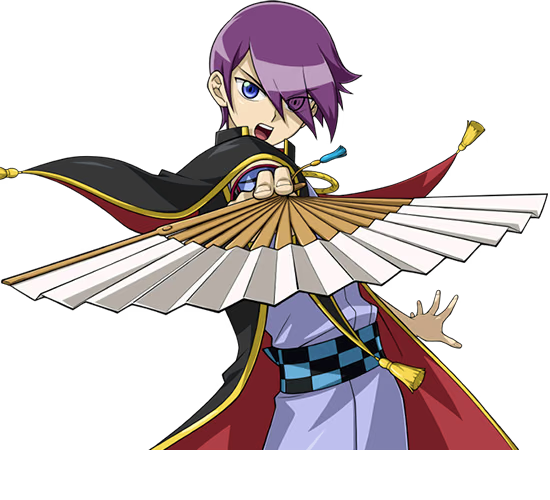
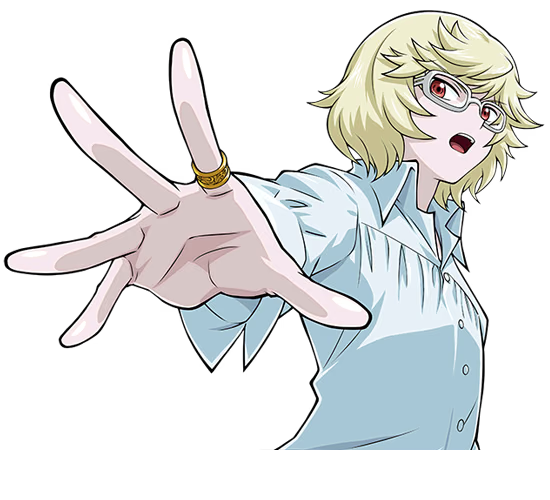
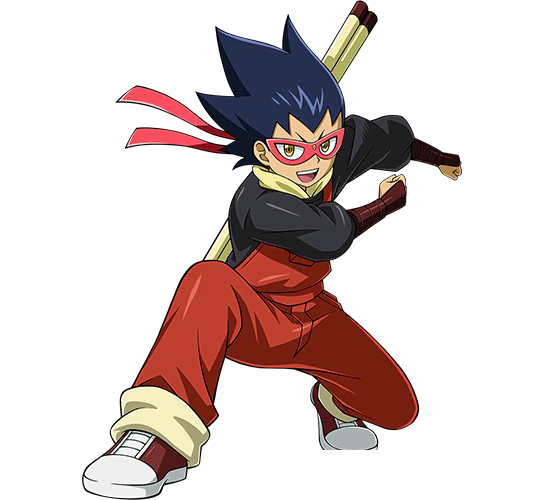
Yuga Ohdo is an inventor who believes dueling should be more open and fun for everyone. In Goha City, where a corporation controls how the game is played, he introduces Rush Duel as a faster alternative. His friends each bring their own style: Luke prefers decisive attacks, Romin uses a music-inspired Deck, and Gakuto focuses on order and timing. Together, they show why Rush Duel can be approachable without being shallow.
SEVENS introduces the first Rush Duel world in Duel Links. Rush Duel allows several Normal Summons in a turn and refills your hand, so you must decide which monsters to play now and which named materials to keep. Before the opponent draws a fresh hand, consider how much damage your remaining field can withstand and what you want to build on your next turn.
2. The 2023 release and the Rush card pool
Konami launched SEVENS and Rush Duel in Duel Links on 28 September 2023. The release campaign announced both the Rush Main BOX Sevens New Road and a separate Speed Mini BOX, World of Barian. The format label matters when choosing a Box or copying a Deck, even when two cards share a familiar name.

Open a Rush Deck in the editor to see the applicable card text, Legend slots, Skill and list restrictions. A dated product page establishes where a card first appeared. The current Shop and collection tell you whether that exact Rush version is available on your account.
3. Goha’s rules, Yuga’s friends and Nail’s invention
The duels grow from a new ruleset into a debate about who gets to change it. Konami’s profile says Nail was assigned to stop Rush Duels and became interested enough to add Maximum Summoning. Romin’s musical role, Gakuto’s discipline and Luke’s enthusiasm give the format distinct personalities before the later Goha rivals appear.

The world’s character pages can tell you which ace is tied to each Duelist. The game’s card information gives the condition that matters in a match. For instance, Luke’s ace promises a second attack after a qualifying battle, so the order of attacks is part of the lesson.
4. Open the Rush tutorial and the SEVENS world
Use the world selector and Missions in Duel World (DM) to find the SEVENS unlock on your account. At launch, players documented a Stage 10 DM route. Your current client may expose the tutorial or a starter route differently. Read the named requirement, finish the applicable duels and claim the world reward.
After switching to SEVENS, check that the Deck Editor shows Rush Duel. Play the tutorial with its supplied cards first. In the Stage panel, notice whether a mission counts a Tribute Summon, a named action or a result in SEVENS. Confirm it after the first qualifying duel.
5. The Rush problem each Duelist teaches
Pick an ace by the resources you enjoy managing. Each Skill adds its own conditions, so open the current description for the selected character before you build. The official series page describes the connections below.
| Duelist | Ace or theme | Practice |
|---|---|---|
| Yuga Ohdo | Sevens Road Spellcasters | Count distinct Attributes before and after the requirement. |
| Luke (Lucidien Kallister) | Multistrike Dragon Dragias | Choose the battle that earns the second attack. |
| Romin Kassidy | Psychic monsters | Check how LP conditions alter what you can activate. |
| Gavin Sogetsu (Gakuto) | Yamiruler and Warrior | Choose when to turn on the Tribute restriction. |
| Nail Saionji | Cyberse and Yggdrago Maximum | Decide which parts to save in hand and how to defend. |
| Roa Kassidy | Royal Rebel’s Fiends | Read the requirement and count what can be paid this turn. |
6. Draw to five and plan the hand you leave
Under standard Rush rules, the Draw Phase replenishes your hand to five. If you already have five or more, you draw one. Starting a Draw Phase with one card gives four draws. Starting with three gives two. Those two cases give the same post-draw hand size but different information and chances to find a missing part.
Keeping a specific Maximum piece or a Fusion material can be worth one fewer new draw. Setting an unnecessary Spell or Trap only to empty the hand can also occupy a slot you will need. Compare the role of the saved card with the space you gain and the pressure you face. The game’s Rush tutorial establishes the digital starting conditions.
| Cards in hand at Draw Phase | Cards drawn |
|---|---|
| 0 | 5 |
| 2 | 3 |
| 4 | 1 |
| 5 or more | 1 |
7. Sequence multiple Normal Summons and Tributes
Rush lets you Normal Summon and Set more than once in a turn. The usual Tribute requirements remain: one for a Level 5 or 6 and two for Level 7 or above. A hand with two small monsters and a Level 7 can make the ace. If one small monster has a useful effect on the field, decide whether it should act before it is Tributed.
Plan a spare body or a Trap for the opponent’s next turn. When going second, compare the result of leaving two attackers with using those two monsters for one large attacker. If you need to beat a defender with higher DEF, look for an effect or a battle line that changes the calculation.
8. Sevens Road Magician counts distinct Attributes
Sevens Road Magician has 2,100 base ATK. Pay its requirement by sending the top card of your Deck to the Graveyard. With three different Attributes in your Graveyard afterward, it gains 900 ATK for the turn, reaching 3,000. A fourth distinct Attribute raises that to 3,300. A second copy of an Attribute already there leaves the count where it was.
Sevens Road Witch sends a card from hand to the Graveyard to bring a qualifying DARK Spellcaster of Level 7 or higher from the hand. Decide which card can be sent and whether you already have the summon target. A mixed Attribute list can improve Magician’s ceiling, while the hand still needs usable small bodies and a route to Magician.
9. Dragias and the first battle that earns a second
Multistrike Dragon Dragias sends the top card of the Deck to the Graveyard to activate its effect. It gets a second attack in that Battle Phase if it destroys a monster by battle. Choose a first target it can actually destroy. If another attacker clears the only opposing monster first, Dragias may lose the opportunity to earn its second attack.
Against one unprotected Attack Position monster with 1,800 ATK, a 2,500 ATK Dragias deals 700, then can attack directly for 2,500 if the field is clear. The example totals 3,200 damage. Change the target to a face-down defender and recalculate the first battle separately. This is why the order matters even with the same two attackers.
10. Yamiruler closes the high-Level Tribute window
Yamiruler the Dark Delayer can change its own battle position on the turn you Normal Summoned it to pay its requirement. While it stays face-up, the effect prevents both players from Tribute Summoning Level 7 or higher monsters through the end of the opponent’s next turn. Read the current text for the exact duration and position change.
If your hand plans to Tribute Summon another Level 7 this turn, do that before activating Yamiruler’s restriction if the board allows it. Going first, decide what the 2,500 DEF body can hold and what the opponent can still summon by other procedures. Leave a response to the action you expect after the Tribute line is closed.
11. Nail and the three parts of Yggdrago
To Maximum Summon Yggdrago, collect its specified left, center and right cards in hand. A completed Maximum Mode occupies the three Monster Zones as a single monster. The center card supplies Maximum ATK and the parts supply their listed effects. The normal procedure sends existing monsters off your field, so count what you lose when making room.
With two parts in hand and a missing third, compare the refill you get by holding both with the defense available this turn. A second copy of the same part may help one role and still leave the named trio incomplete. Read any Skill that supplies a part or changes the Deck before measuring how often you assemble the full set.
12. Use the turn after a big Rush summon
A large monster can turn an empty hand into a strong field. On the opponent’s next turn, their own refill can produce several attackers. Count how your board handles a second high-Level monster, a back-row removal and a different position. Plan around the threat that can win now, then keep a way to rebuild after it.
Replay a game where you lost a Tribute monster. Pause before the loss and ask whether a smaller summon, a different attack order or leaving a card in hand would have changed the next draw. That tells you whether to adjust the list or play the same list differently.
13. Use the Rush Shop to fix one problem
Take the Rush label with you into the Shop, Card Catalog and Deck Editor. Select the exact card version and check its listed sources. If your opening consistently has too many Tribute monsters, compare a low-Level enabler with another boss. If your field clears but the opponent survives the Battle Phase, count which card would have made another legal attack.
Check Legend and Forbidden & Limited indicators in the current Rush editor before using a Ticket or crafting a plan around a Box. Reward and product pages establish past availability. They help identify a card to look up on your account.
14. A week of Rush turns
Keep the same Rush Deck for the first drills. Record the hand size going into the Draw Phase, the number of Tribute bodies and the damage you actually deal. Repeat one difficult board before purchasing a replacement.
- Open SEVENS or identify the next visible mission.
- Compare Draw Phases with one and three cards left in hand.
- Tribute Summon with two materials and explain their order.
- Calculate Magician’s ATK from the Graveyard after paying its requirement.
- Try both orders when Dragias and a second attacker face one monster.
- Check a Maximum part and the current method of obtaining it.
- Repeat the worst opening with one changed card or one changed play.
15. Sources for Goha and the Rush examples
Konami’s launch materials and character directory establish SEVENS and its cast. The Rush rule guide and the game’s own tutorial support the turn and summoning examples. Konami’s Box pages identify the Duel Links cards, while the current game text controls their effects and available copies. The new scenes reference the original Yuga art and the illustrated Rush cards.