

Full Skill effect
Check activation conditions, resolution order and usage limits.
Blue-Eyes Dimension
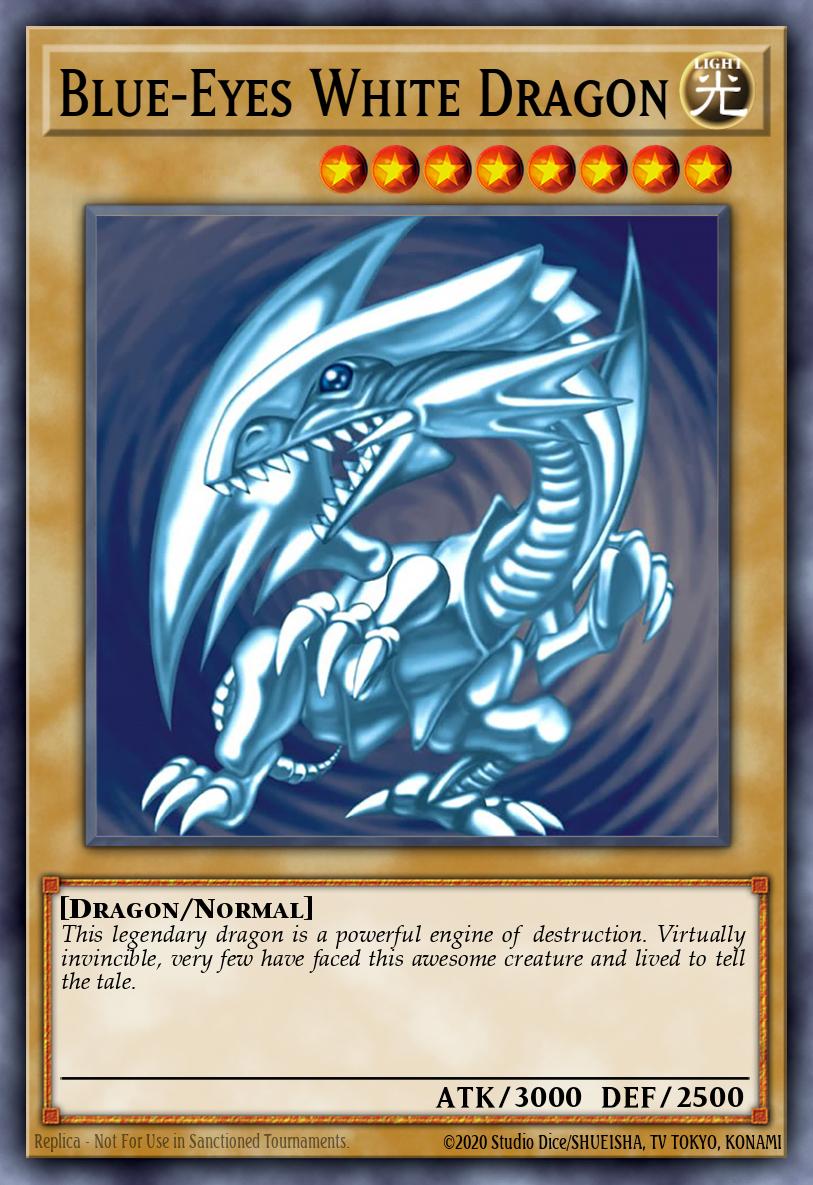
During this Duel, if you have at least 9 "Blue-Eyes" monsters in your Deck at the beginning of the Duel, you can Normal Summon/Set Blue-Eyes White Dragon without Tributing, and you cannot Special Summon monsters except LIGHT Dragon-Type monsters with Levels and Ritual Monsters. In addition, the following effect can be used once per Duel.
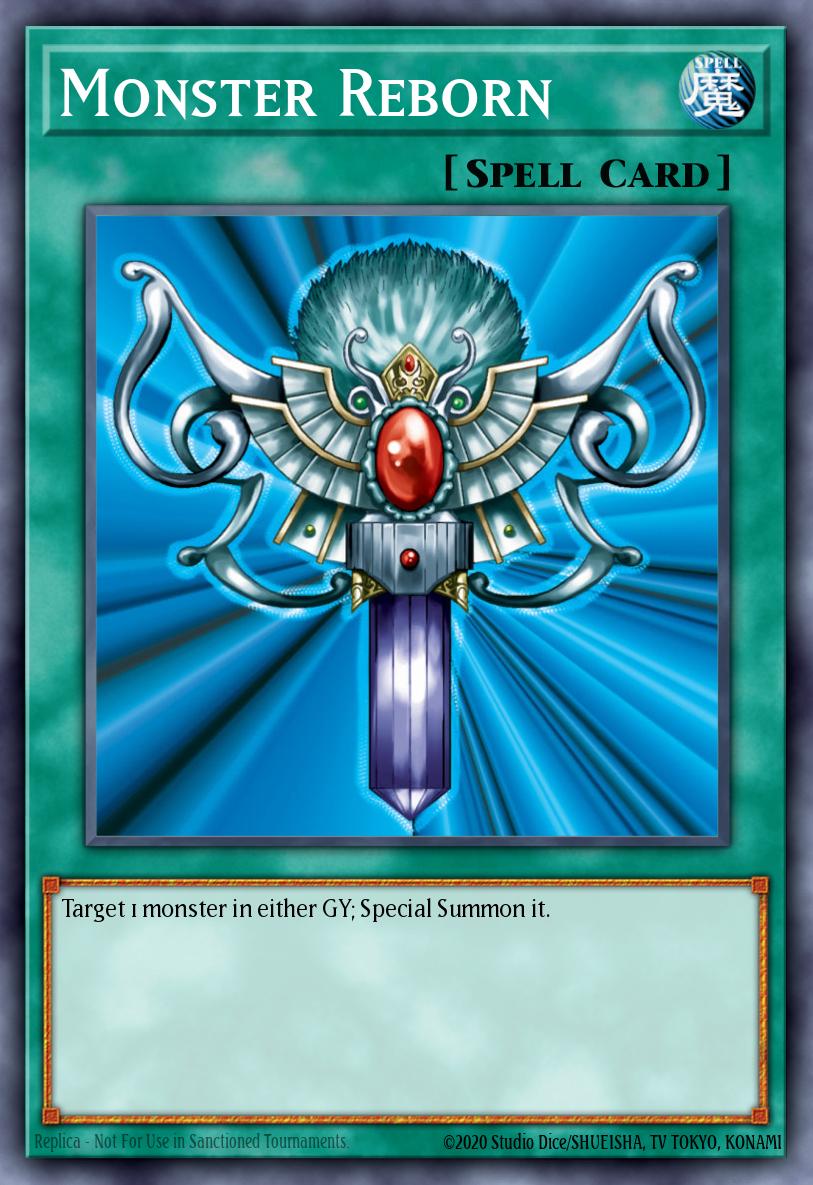
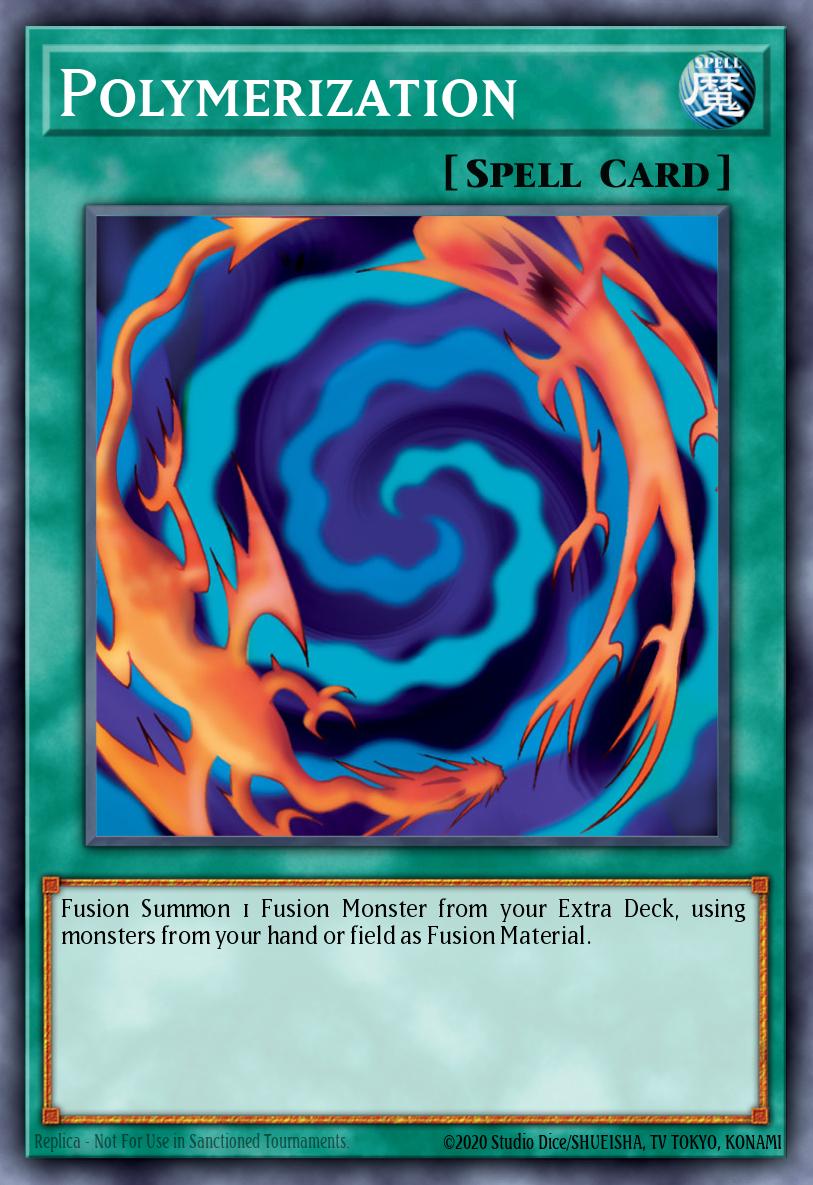
Send 2 "Blue-Eyes" monsters (1 from your hand and 1 from your Deck) to the Graveyard, add 1 Blue-Eyes White Dragon or Monster Reborn from your Deck to your hand, and place 1 Polymerization from outside of your Deck at the bottom of your Deck. If you activated this Skill on turn 2 or later, also place 1 Blue-Eyes Chaos MAX Dragon and 1 Chaos Form at the bottom of your Deck.
1. The opening count and summon limits
Blue-Eyes Dimension requires at least nine Blue-Eyes monsters in your starting Deck. Once that condition is met, you may Normal Summon or Set Blue-Eyes White Dragon without Tributing. However, Special Summons are restricted to LIGHT Dragons that have Levels and to Ritual Monsters. Check the Attribute, Type and monster category of each planned Special Summon rather than assuming every Dragon or Extra Deck monster qualifies.
Count Main Deck monster copies. A Spell that mentions Blue-Eyes and a Blue-Eyes Fusion in the Extra Deck do not fill those nine slots. Xyz and Link Monsters lack Levels, so an Xyz or Link that is both LIGHT and Dragon still falls outside the first group.
| Field | Value |
|---|---|
| Format | Duel Links Speed Duel |
| Character | Seto Kaiba (DM and DSOD) |
| How to obtain | Event reward listing for both versions |
2. Spend one Blue-Eyes from each location
Once per Duel, send one Blue-Eyes monster from your hand and another from the Deck to the Graveyard. Take either Blue-Eyes White Dragon or Monster Reborn from the Deck and place a supplied Polymerization at the bottom of the Deck. Look at the legal cards you still have in the Deck before choosing which monster to send.
If Blue-Eyes White Dragon is your only remaining Deck target by name and you send it to the Graveyard, you will need the Monster Reborn option to be present for that line. With both options still available, choose the dragon when you need your no-Tribute Normal Summon, or Monster Reborn when you have a legal target and want to preserve your Normal Summon.
3. What changes from turn 2
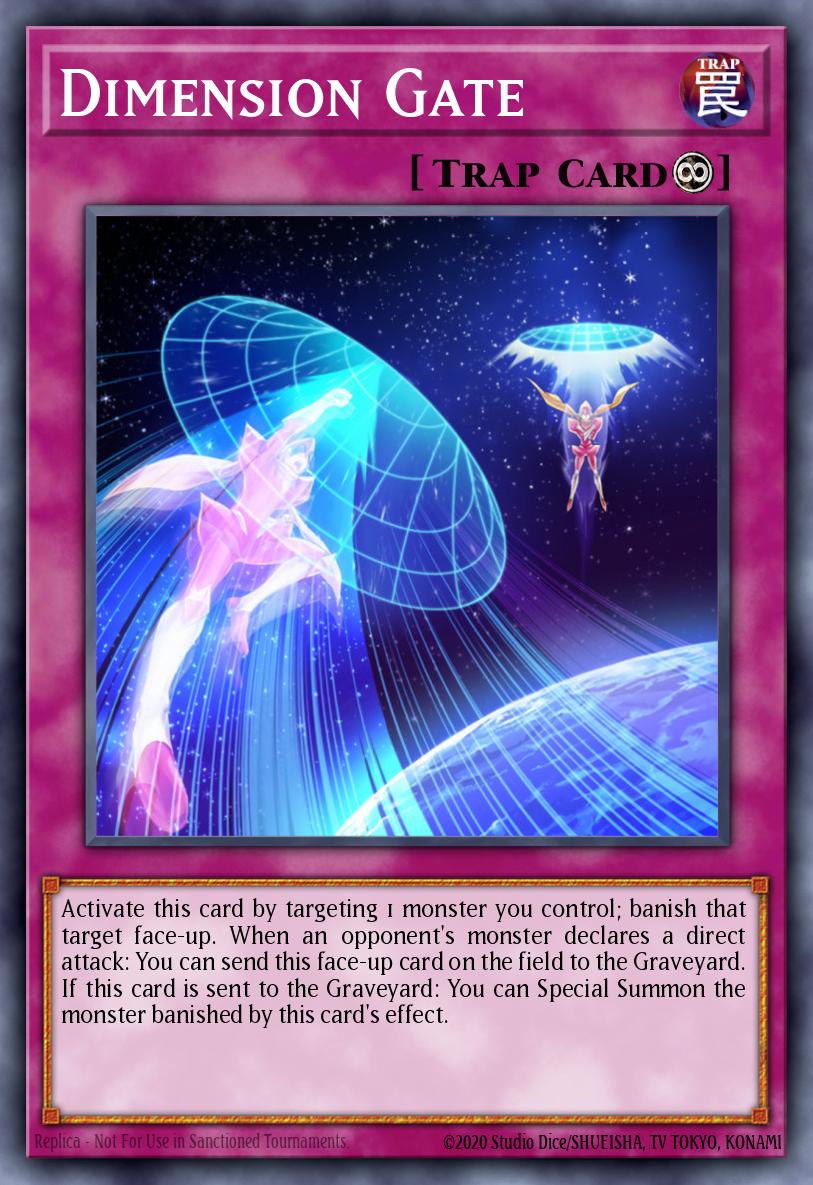
Activating from turn 2 onward also puts Blue-Eyes Chaos MAX Dragon and Chaos Form at the bottom of the Deck. You still need a way to draw or search them. A player going second can take the later-turn setup on their first turn. Separate the immediate card added to your hand from the three cards placed into the Deck.
Chaos Form needs the exact Level sum. For the Level 8 Chaos MAX, one legal line with both Ritual pieces in hand is to banish a Level 8 Blue-Eyes White Dragon from the Graveyard as the material. Keep track of whether you already revived that copy with Monster Reborn.
4. Plan a hand for each turn order
On turn 1, take a playable Blue-Eyes or Monster Reborn if that produces a board and a follow-up. Holding the action into a later turn can put the Ritual package into the Deck, but it also delays your first chance to put two specific Blue-Eyes monsters in the Graveyard. Compare the board and the likely next draw before deciding.
5. Acquisition and deck verification
The current skill listing names both versions of Seto Kaiba as event sources. Check Skill Details in the client for current availability. For a test duel, register nine qualifying monsters, note the cards sent from each location and verify which additions reach the hand versus the bottom of the Deck.