

1. Schedule the two stages separately
Stage 1 rewards and Stage 2 ranking are different goals. Stage 1 ran November 4–15, while eligible DLv. 20 players could enter Stage 2 from November 13–15.
The event notice archived by Duel Links Meta gives November 4–15 for Stage 1 and November 13–15 for Stage 2. Reaching DLv. 20 is the entry condition for Stage 2. The stages overlap at the end, so check the local cutoff in the event screen if you plan to qualify late. Use the dates as an event record when revisiting this guide after November.
| Stage | Dates | Progress |
|---|---|---|
| Stage 1 | 4–15 November | Climb to DLv. 20. |
| Stage 2 | 13–15 November | Enter after DLv. 20 and play for DP. |
2. Use the Stage 1 no-demotion rule wisely
The archived starting points are DLv. 3 for Silver, 5 for Gold, 7 for Platinum and 10 for Legend or higher. Record your own starting level before comparing the number of games a friend needed to reach DLv. MAX.
The archived notice says the September change still applies: Stage 1 losses no longer demote you at any DLv. The requirements for reaching the maximum level still apply. At a difficult threshold, play a short block with one list and log losses caused by an unplayable hand, a missed interruption or a board you could not break. Compare like situations before swapping a slot.
3. Read the milestone table and your claim state
The published Stage 1 table lists Gem rewards at DLv. 2, 3, 5, 7, 9, 10, 12, 16, 18 and 20. Adding those listed amounts yields 1,010 Gems across the table. Four other levels list 10 Box Chips each. The event panel shows which rewards your account has already claimed and where its starting level was set by rank.
4. Use published DLv. MAX decks as practice examples
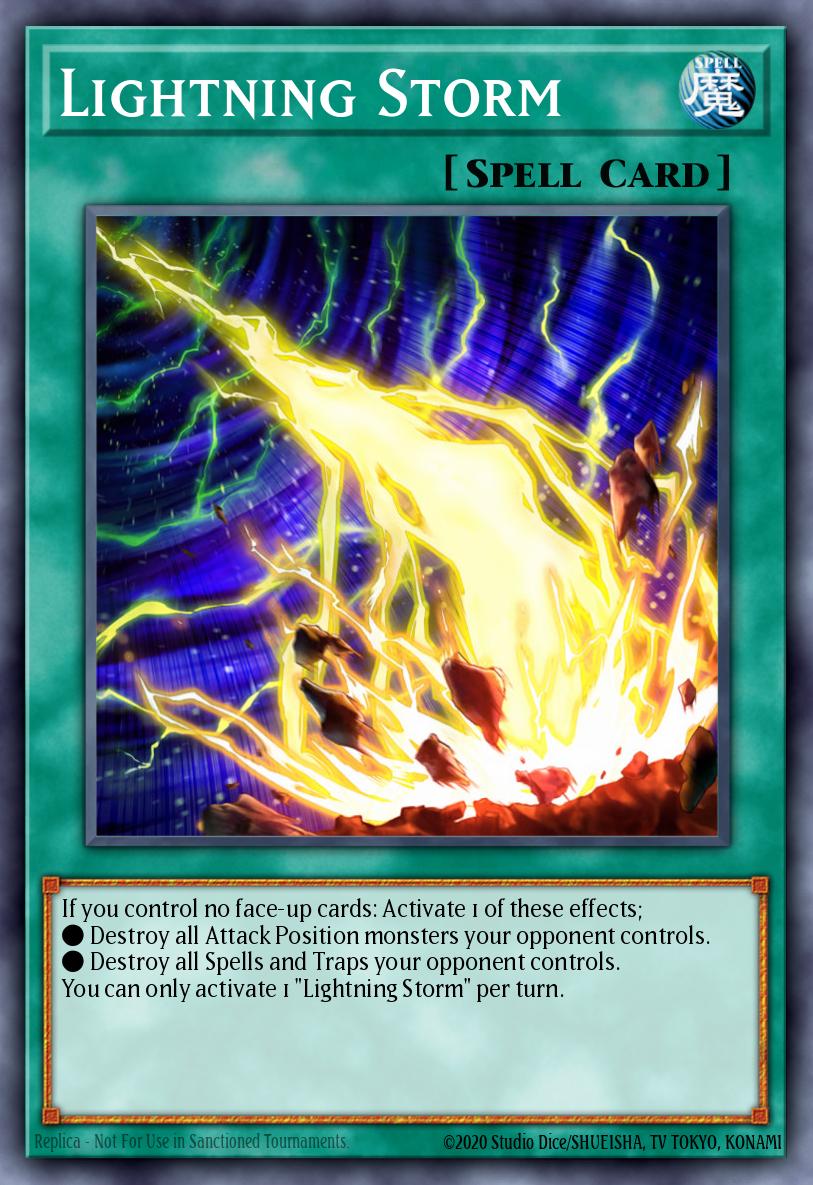
The event page includes public DLv. MAX submissions. Start by choosing one with an opening you already understand and checking the Skill and card restrictions. A list reaching DLv. MAX shows that a player cleared that milestone with the submission. When testing going second, Lightning Storm is an example of a card that has to be used while you control no face-up cards. Plan it before an ordinary face-up engine play.
5. Switch your tracking from DLv. to DP
At DLv. 20, verify the Stage 2 panel’s opening time and your eligibility. During Stage 2, record DP change and opponent deck over a block of games. A test list that climbs Stage 1 steadily can still lose points after a sequence of poor matchups, so compare outcomes at the same stage and under the same event rules. Keep your final event result separate from the early climbing record.
- Mark the local event end time and your current DLv. before queuing.
- Choose one legal Speed deck and track the hands that cause repeat losses.
- After reaching DLv. MAX, switch the record from level progress to DP change.